
When you hear switch to generics, the practice of replacing brand-name medications with their bioequivalent, lower-cost versions. Also known as generic substitution, it’s one of the simplest ways to cut your monthly drug costs without sacrificing quality or safety. The FDA requires generics to have the same active ingredient, strength, dosage form, and route of administration as the brand-name version—and they must work the same way in your body. That means if your brand-name pill lowers your blood pressure, the generic does too, at the same rate and for the same length of time.
Many people worry that generics are somehow "lesser," but that’s not true. They’re made in the same kind of facilities, under the same strict rules, as brand-name drugs. The only real differences? The shape, color, or inactive ingredients like fillers—and those don’t affect how the drug works. What changes is the price. A generic version of a popular statin can cost as little as $4 a month, while the brand version might run $150 or more. That’s not a small difference—it’s life-changing for people on fixed incomes or those juggling multiple prescriptions.
Switching to generics isn’t just about saving cash. It’s also about staying on your meds. When pills are affordable, you’re more likely to take them as directed. Missed doses lead to worse outcomes—whether it’s uncontrolled blood pressure, rising cholesterol, or a flare-up of arthritis. A study from the CDC found that patients who switched to generics were 15% more likely to stick with their treatment plan long-term. That’s the real win: better health because you didn’t have to choose between medicine and groceries.
Some drugs don’t have generics yet—like newer biologics or specialty medications for rare conditions. But for the vast majority of prescriptions—antibiotics, blood pressure pills, thyroid meds, antidepressants—there’s a generic option. Even when your doctor writes a brand name, you can ask: "Is there a generic available?" Most of the time, the answer is yes. And if your insurance requires it, you’re already being steered toward savings without even asking.
There are exceptions. For drugs with a narrow therapeutic index, medications where small changes in dose can cause serious side effects or treatment failure—like warfarin, lithium, or levothyroxine—some doctors prefer to stick with one brand to avoid even tiny variations in absorption. But even here, switching is often safe if done carefully and monitored by your provider. It’s not about avoiding generics—it’s about making smart, informed choices.
And don’t forget: Medicare Extra Help, a federal program that cuts generic prescription costs to $4.90 per fill for low-income beneficiaries is designed to make generics even more accessible. If you qualify, you’re already getting the best deal possible. If you don’t, you can still ask your pharmacy for cash prices—often, generics cost less out-of-pocket than insurance co-pays.
So when you see a prescription for a brand-name drug, pause. Ask if there’s a generic. Check your pharmacy’s price list. Talk to your pharmacist. You’re not giving up anything by choosing a generic—you’re gaining control over your budget, your health, and your future. The science is clear. The savings are real. And the choice? It’s yours.
Below, you’ll find real stories, practical guides, and expert-backed advice on how to make the switch safely, when to push back, and how to keep your costs low year after year.
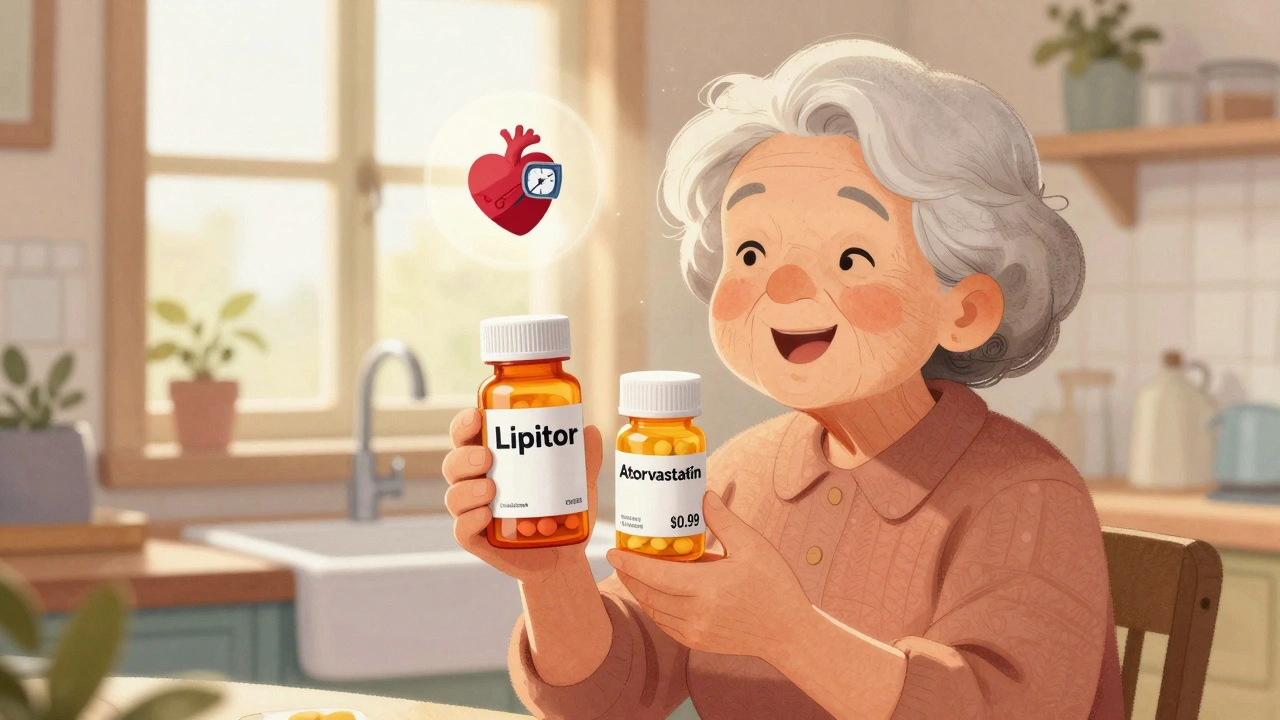
Switching to generic maintenance medications can save money without losing effectiveness for most chronic conditions. Learn how to make the transition safely, spot potential issues, and stay in control of your health.
More