
When you take medicine with food, the presence of food in your stomach can change how your body absorbs the drug, either helping it work better or blocking it entirely. Also known as food-drug interactions, this isn’t just a footnote on the label—it’s often the difference between a drug working as intended or doing nothing at all. Some pills need food to dissolve properly. Others can wreck your stomach if taken on an empty belly. And a few? They become useless if you eat even a snack before swallowing them.
It’s not just about take medicine with food—it’s about which food, how much, and when. For example, antibiotics like tetracycline bind to calcium in dairy, making them less effective. That’s why your doctor tells you to wait two hours after milk. On the flip side, cholesterol drugs like simvastatin absorb far better when you take them with your evening meal. Even something as simple as grapefruit juice can mess with blood pressure meds, statins, and anti-anxiety pills by slowing how fast your liver breaks them down. These aren’t myths. They’re backed by clinical studies showing real changes in drug levels in your bloodstream.
Then there’s the stomach upset from meds, a common reason people stop taking their prescriptions. NSAIDs like ibuprofen? They’re easier on your gut with food. Antibiotics like doxycycline? They can cause nausea unless you take them with a light snack. Even thyroid meds like levothyroxine are ruined by breakfast—food blocks absorption, so you need to take them on an empty stomach. It’s not one-size-fits-all. One pill needs a full meal. Another needs nothing but water. A third needs to be taken exactly 30 minutes before eating. Getting it wrong doesn’t just mean you feel worse—it means your treatment isn’t working.
And it’s not just about the drug. Your body’s state matters too. A high-fat meal can boost absorption of some cancer drugs and HIV meds. But if you’re diabetic and taking a blood sugar pill, eating at the wrong time could send your levels crashing. That’s why your pharmacist asks if you eat breakfast, skip meals, or have trouble sticking to a schedule. It’s not small talk. It’s critical.
There’s also the hidden risk: people assume if a drug doesn’t say "take with food," it’s fine on an empty stomach. Not true. Many drugs don’t list food interactions because the data is still being studied. Others are safe either way—but why risk it? If you’re unsure, check the label. Call your pharmacy. Ask your doctor. A simple question can save you from side effects, wasted money, or worse.
What you’ll find below are real stories and practical guides from people who’ve been there. From how to handle nausea from muscle relaxants to why some heart meds need a full meal to work, these posts cut through the confusion. You’ll learn how to avoid common mistakes, spot dangerous interactions, and make sure your meds actually do what they’re supposed to. No fluff. No guesswork. Just clear, actionable info that matches what your doctor or pharmacist would tell you—if they had time to explain it all.
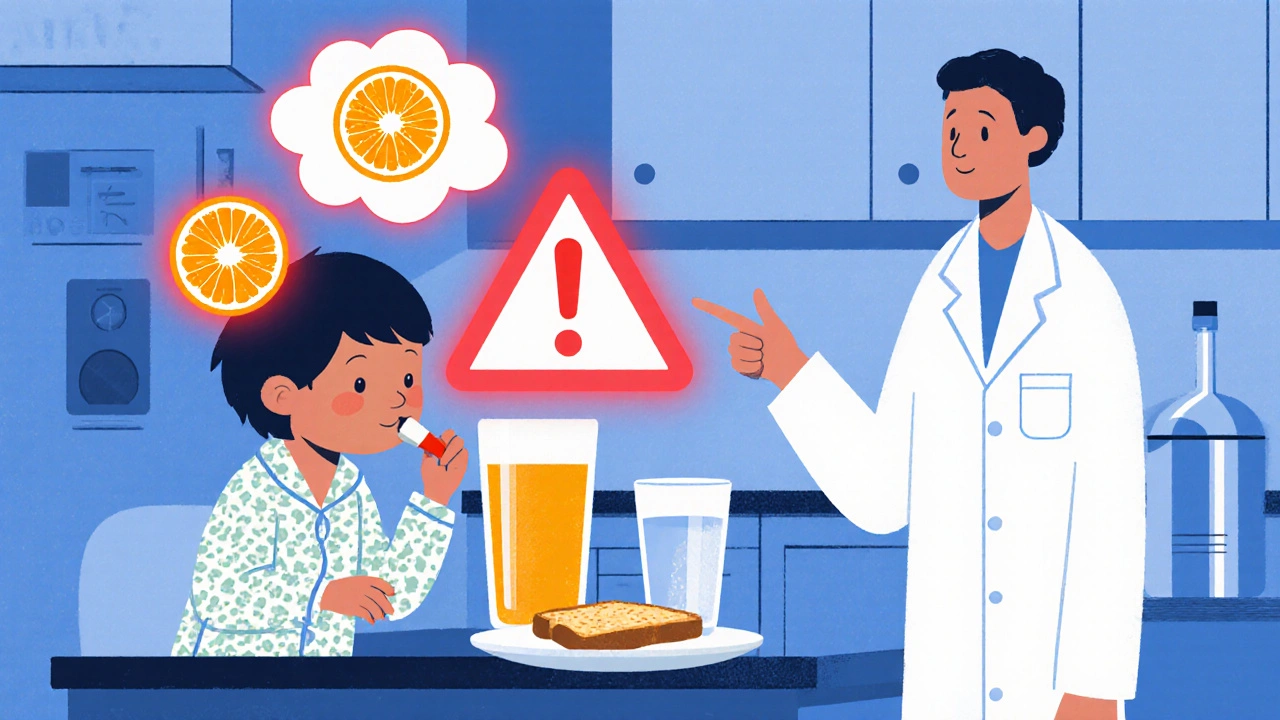
Learn how food affects medication absorption, when to take pills with or without meals, and how to avoid dangerous interactions that can reduce effectiveness or cause side effects.
More