
When you take a medication, your body responds—and sometimes that response isn’t what you expected. Not all side effects are the same. Type A reactions, predictable, dose-dependent side effects caused by a drug’s known pharmacological action. Also known as augmented reactions, they make up about 80% of all adverse drug reactions and include things like nausea from antibiotics or dizziness from blood pressure pills. These aren’t surprises. They’re extensions of how the drug works, just amplified or misaligned with your body’s tolerance.
Type B reactions, unpredictable, idiosyncratic responses that aren’t related to the drug’s normal function. Also known as bizarre reactions, they’re rare but can be life-threatening—like anaphylaxis from penicillin or severe skin rashes from allopurinol. These aren’t about dosage. They’re about your unique biology: your genes, your immune system, your history. A Type B reaction can happen the first time you take a drug, or after years of safe use. That’s why it’s so hard to plan for.
Understanding this split changes how you think about your meds. Type A reactions? You can often manage them. Maybe you take your antibiotic with food to cut the stomach upset. Maybe you switch to a different statin if muscle pain gets too bad. But Type B reactions? They demand caution. If you’ve ever had a rash, swelling, or trouble breathing after a new drug, that’s not just a side effect—it’s a red flag. Your doctor needs to know. And next time, that drug might be off-limits entirely.
Look at the posts below. You’ll see real examples. One explains how antibiotics cause nausea (a classic Type A). Another shows how immunosuppressants trigger rare, dangerous reactions in some patients (Type B). There’s a piece on reporting side effects to the FDA—because your experience helps others avoid the same risks. Another talks about narrow therapeutic index drugs, where even small changes in dose can turn a Type A reaction into a medical emergency.
This isn’t just theory. It’s daily reality for millions. Whether you’re on a daily pill for blood pressure, a monthly shot for arthritis, or a short course of antibiotics, knowing the difference between Type A and Type B reactions helps you speak up, stay safe, and take control. You don’t need to be a doctor to spot the warning signs. You just need to know what to look for—and what to do next.
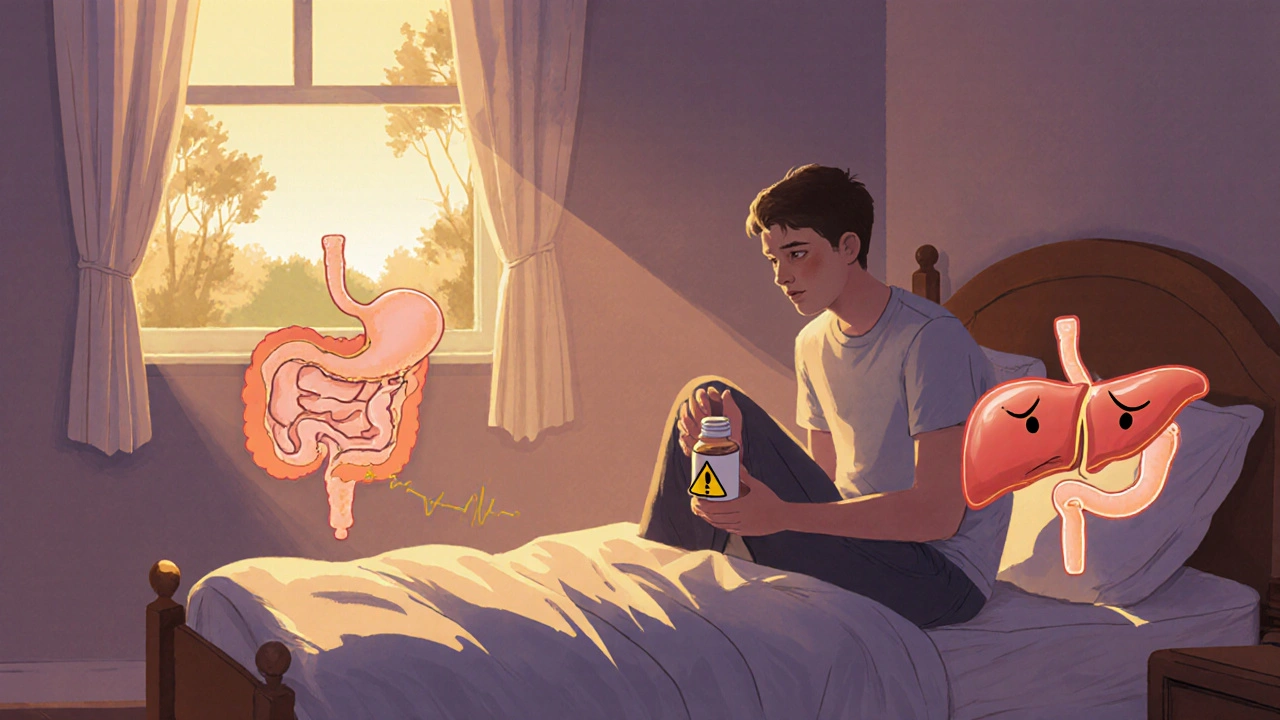
Learn how predictable and unpredictable drug side effects differ, why some reactions strike without warning, and what you can do to stay safe. Understand the real risks behind your medications.
More