
When you take a pill, the active ingredient, the specific chemical compound responsible for the therapeutic effect in a medication. Also known as pharmacological agent, it’s what changes how you feel, lowers your blood pressure, kills bacteria, or eases your pain. Everything else in the pill — the filler, the dye, the coating — is just there to make it easier to swallow or hold its shape. Your body doesn’t care about those extras. It only responds to the active ingredient. That’s why a generic version of a drug works just like the brand name: same active ingredient, same dose, same effect.
But not all active ingredients are created equal in how they’re used. Some, like warfarin, a blood thinner with a narrow therapeutic index, need to be exact. A little too much and you bleed; a little too little and you’re at risk for a clot. Others, like azelaic acid, a topical anti-inflammatory used for acne and rosacea, work gently over time, targeting skin cells without burning or drying. Then there are GLP-1 agonists, a class of drugs that help with weight loss and diabetes by mimicking gut hormones, which changed how we treat metabolic disease. These aren’t just chemicals — they’re tools that interact with your body’s own systems, and understanding them helps you make smarter choices.
Knowing your active ingredients means you can spot duplicates. Citalopram and escitalopram? Same core molecule, just slightly different versions. Statins and PCSK9 inhibitors? Both lower cholesterol, but they work in totally different ways. Even something as simple as taking a pill with food can change how much of that active ingredient your body absorbs. That’s why some meds must be taken on an empty stomach, and others work better with a meal. It’s not magic — it’s chemistry. And when you know what’s in your medicine, you’re less likely to be surprised by side effects, interactions, or why your insurance only covers the generic.
What you’ll find below are real stories about how active ingredients affect people’s lives — from saving hundreds on generics to avoiding dangerous heart rhythms with antidepressants, managing diabetes with new dual-action drugs, or safely storing high-risk meds at home. These aren’t theory pages. They’re practical guides written by people who’ve seen what happens when you don’t understand what’s in your pill bottle. Whether you’re switching meds, worried about side effects, or just trying to cut costs, the answers are in the active ingredient.
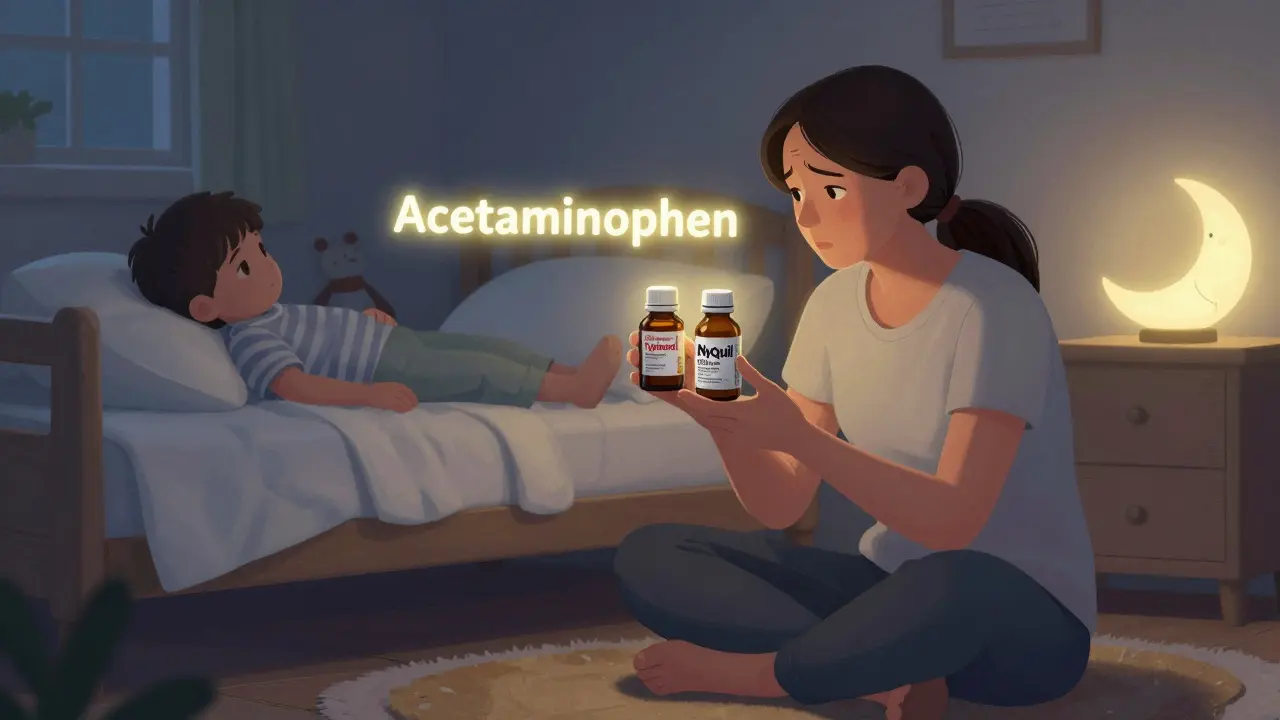
Learn how to check active ingredients in children's medicines to prevent dangerous double dosing. Avoid acetaminophen overdose and other common errors with simple, step-by-step safety tips.
More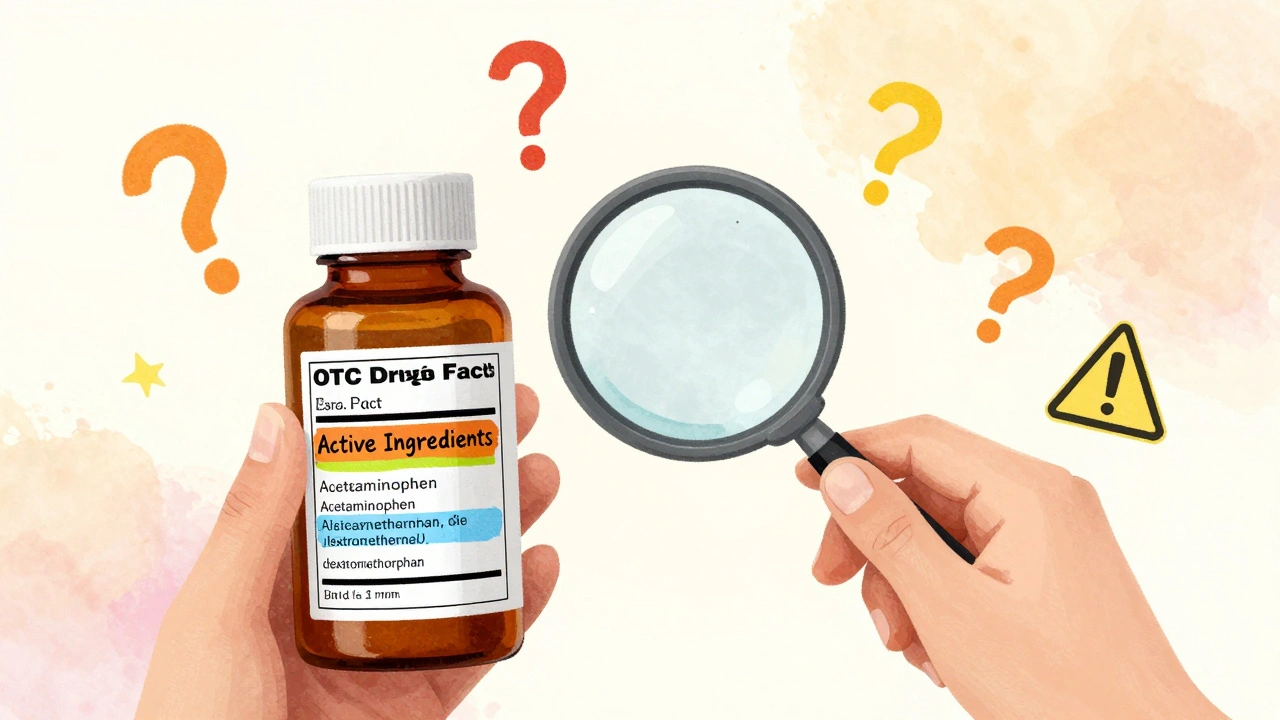
Learn how to read OTC drug facts labels step by step to avoid dangerous mistakes, prevent overdoses, and use over-the-counter medicines safely without a doctor’s help.
More