
When a drug has a narrow therapeutic index, the range between a safe, effective dose and a dangerous, toxic dose is very small. Also known as a narrow therapeutic window, this means even a slight change in how much you take — or how your body processes it — can turn a helpful medicine into a harmful one. This isn’t just a technical term. It’s a red flag that demands attention, especially if you’re taking drugs like warfarin, lithium, digoxin, or phenytoin. These aren’t rare or experimental meds. They’re commonly prescribed, and if you’re on one, you need to know what this means for you.
Drugs with a narrow therapeutic index don’t play nice with changes in your body or other substances. A little extra food, a new antibiotic, or even a change in your liver function can throw off how the drug works. That’s why regular blood tests are often required — not to check if the drug is working, but to make sure it’s not building up to dangerous levels. It’s not about feeling better; it’s about staying alive. Your doctor isn’t being overly cautious. They’re following science. Studies show that over 20% of hospitalizations from adverse drug events involve medications with a narrow therapeutic index. And most of those cases are preventable.
This is why medication monitoring isn’t optional. It’s part of the treatment. If you’re on one of these drugs, you’re not just taking a pill. You’re managing a tightrope walk. That’s why posts here cover topics like how to spot early signs of toxicity, how food affects absorption, and why switching generic brands can sometimes cause problems. You’ll also find advice on using lockboxes to keep high-risk meds secure, how to talk to your doctor about side effects, and what to do if you miss a dose. These aren’t just tips. They’re survival tools.
You’ll see posts about digoxin, anticoagulants, and other drugs that sit right on the edge of safety. You’ll learn how to track your symptoms, recognize warning signs like dizziness, nausea, or irregular heartbeat, and know when to call your doctor — not wait until it’s an emergency. This collection doesn’t just explain the science. It gives you the real-world skills to stay safe every day.

When switching patients to generic Narrow Therapeutic Index (NTI) drugs, clear communication prevents dangerous outcomes. Learn exactly what to discuss, including monitoring needs, state laws, and addressing patient concerns. Proper counseling ensures safety and adherence.
More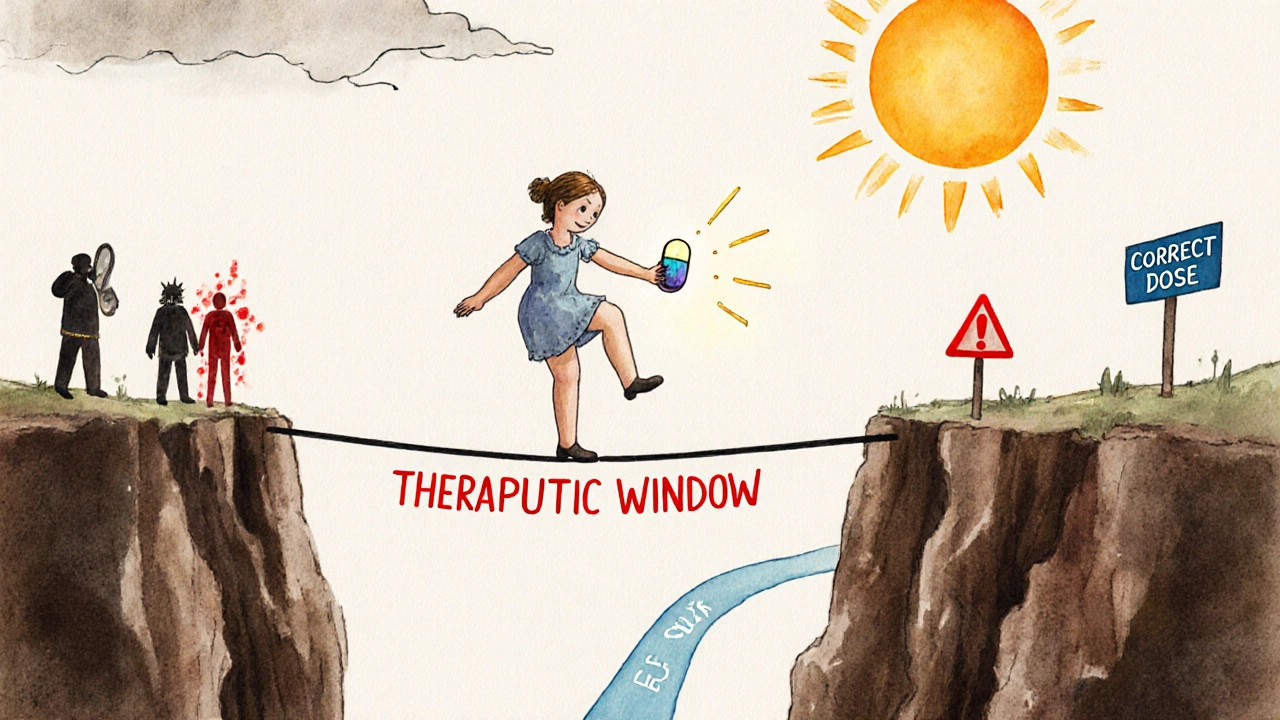
Expired medications with a narrow therapeutic index can be deadly. Learn why drugs like warfarin, lithium, and digoxin require strict adherence to expiration dates-and what happens if you take them after they expire.
More