
When you're told to take a medication, medication adherence, the practice of taking drugs exactly as a doctor prescribes, including the right dose, at the right time, and for the full duration. Also known as drug compliance, it's not just a chore—it's the foundation of effective treatment. Skipping doses, stopping early, or mixing pills with food the wrong way can turn a life-saving drug into a useless one—or even a dangerous one.
Why does this happen? People forget. They feel better and think they don’t need it anymore. They’re scared of side effects. Or they’re overwhelmed by too many pills. Studies show that nearly half of people with long-term conditions like high blood pressure, diabetes, or depression don’t take their meds as directed. And it’s not laziness—it’s often confusion, cost, or fear. That’s why medication timing, when and how you take a drug in relation to meals, sleep, or other meds matters just as much as whether you take it at all. Take a blood pressure pill with food when it should be empty-stomached? It might not work. Skip a dose of antibiotics? You risk resistant bacteria. Take a muscle relaxant before driving? You could get hurt.
And it’s not just about the pill itself. side effects, unwanted reactions to medication that make people stop taking their drugs are a huge reason adherence drops. Nausea from a muscle relaxant, fatigue from a statin, or dizziness from a diuretic can make daily life harder. But most side effects can be managed—if you talk to your doctor. Many of the posts here show real ways people handle this: using lockboxes to keep opioids safe, adjusting when they take pills with food, or switching to a different drug when the risks outweigh the benefits. You’re not alone in struggling with this. Millions do. And there are proven fixes.
What you’ll find below isn’t theory. It’s real advice from people who’ve been there. How to build a family overdose plan with naloxone. Why some diabetes meds cut heart risk by 63%. How to use a pill organizer without forgetting. What to do when a drug gives you stomach pain. How to ask your doctor about side effects without sounding like you’re complaining. These aren’t generic tips. They’re tools you can use tomorrow.
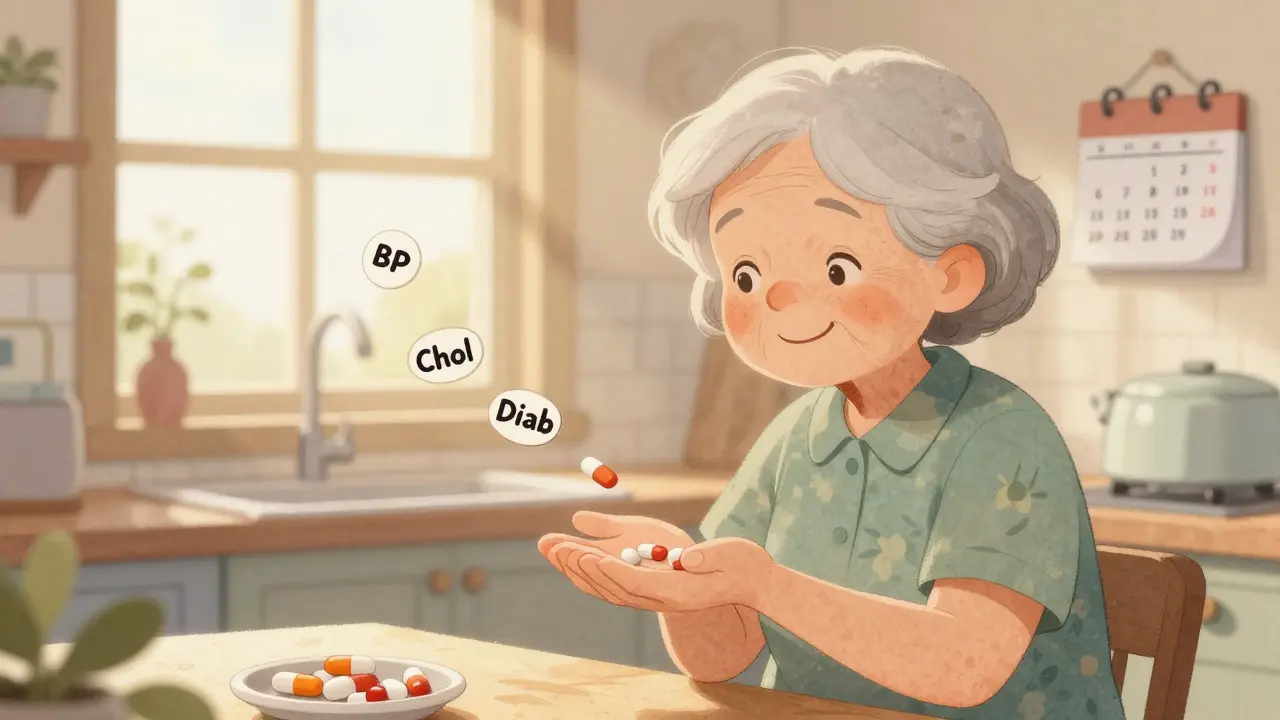
Fixed-dose combination drugs combine two or more medications into one pill to improve adherence, reduce pill burden, and enhance treatment effectiveness - especially for chronic conditions like hypertension, HIV, and diabetes.
More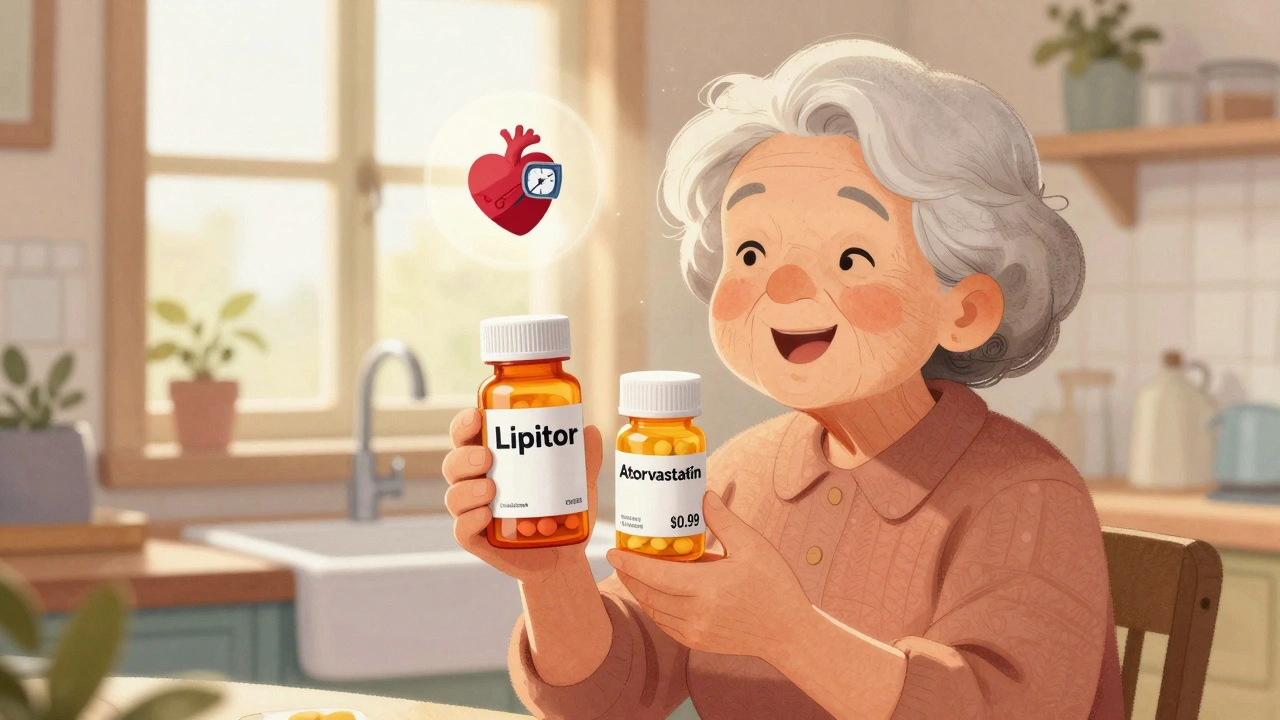
Switching to generic maintenance medications can save money without losing effectiveness for most chronic conditions. Learn how to make the transition safely, spot potential issues, and stay in control of your health.
More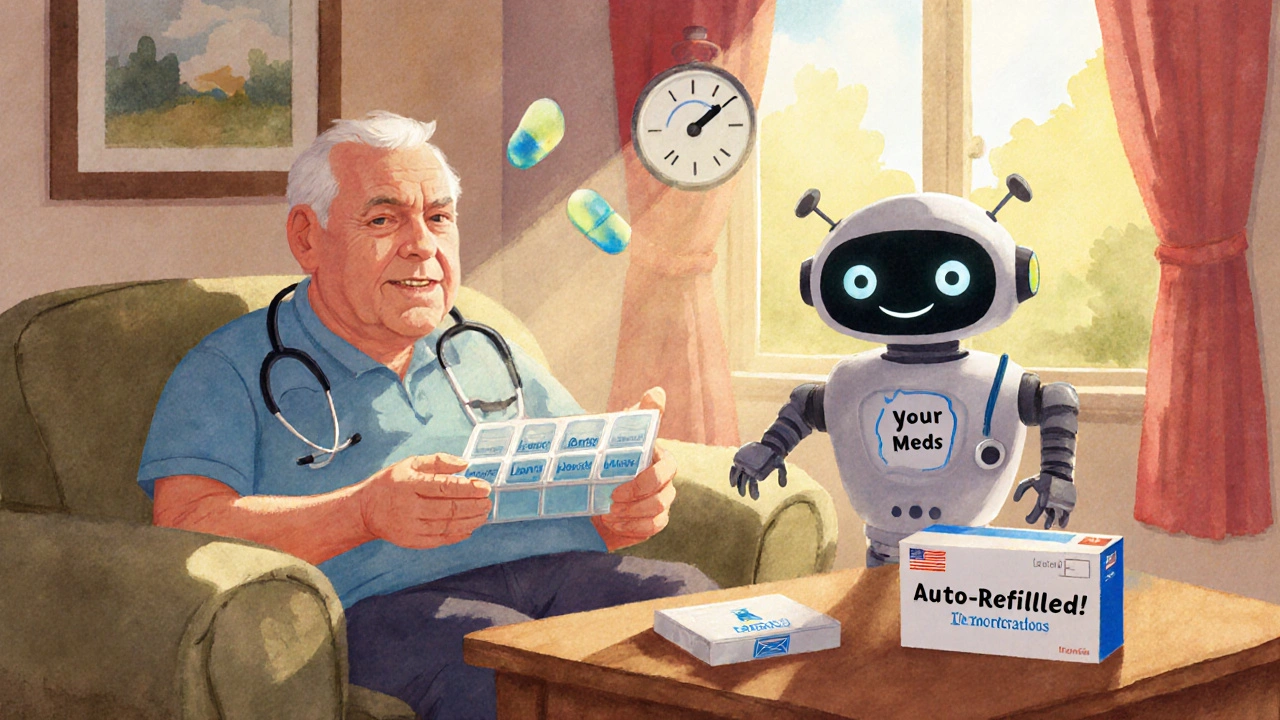
Automated refills for generic medicines help patients stay on track with chronic meds by eliminating refill reminders and missed doses. Learn how online pharmacies make adherence easier-and what to watch out for.
More