

Urine drug screens are essential for safe opioid treatment, helping detect adherence and hidden drug use. Learn how testing works, why false results happen, and how risk stratification improves patient outcomes.
More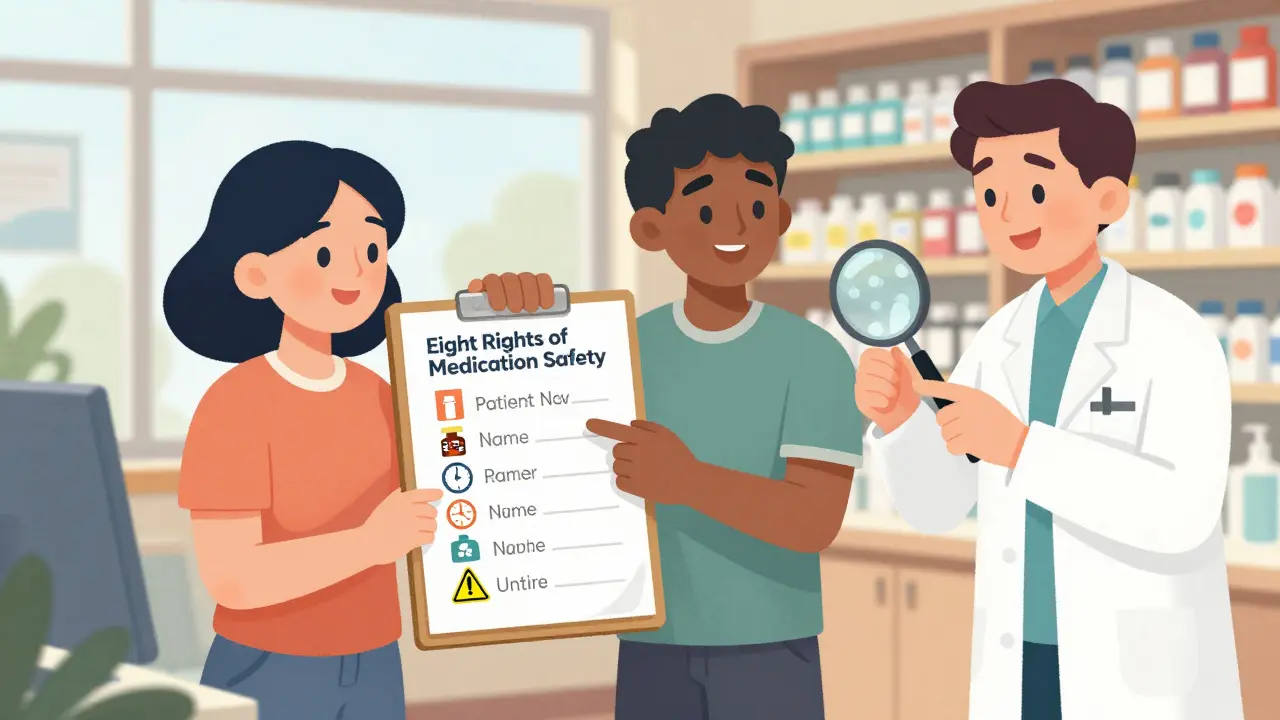
Learn the key medication safety terms every patient should know-from the Eight Rights to high-alert drugs-to prevent harmful errors and take control of your health. Simple questions can save your life.
More
Alpha-glucosidase inhibitors like acarbose help control post-meal blood sugar but often cause gas, bloating, and diarrhea. Learn how to manage these side effects with diet, dosing, and probiotics to stay on the medication long-term.
More
Learn how to securely store controlled substances to prevent theft and diversion in healthcare settings. Follow DEA-compliant practices, use automated cabinets, implement dual controls, and train staff to protect patients and avoid penalties.
More
Fixed-dose combination drugs combine two or more medications into one pill to improve adherence, reduce pill burden, and enhance treatment effectiveness - especially for chronic conditions like hypertension, HIV, and diabetes.
More
Corticosteroids quickly reduce inflammation in autoimmune diseases like lupus and rheumatoid arthritis, but long-term use carries serious risks including bone loss, cataracts, and adrenal suppression. Learn how to use them safely and when alternatives are better.
More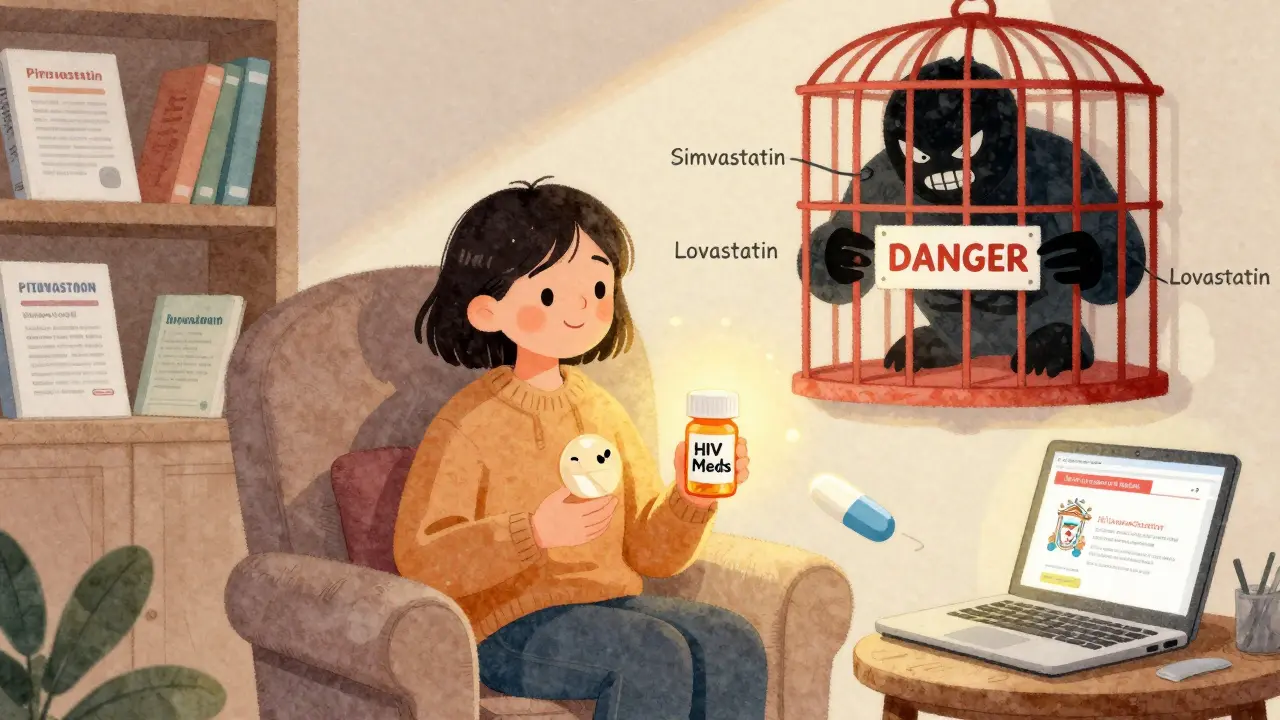
HIV medications and statins can interact dangerously, increasing the risk of muscle damage. Learn which statins are safe to use with HIV drugs, which ones to avoid, and how to manage your heart health without compromising your treatment.
More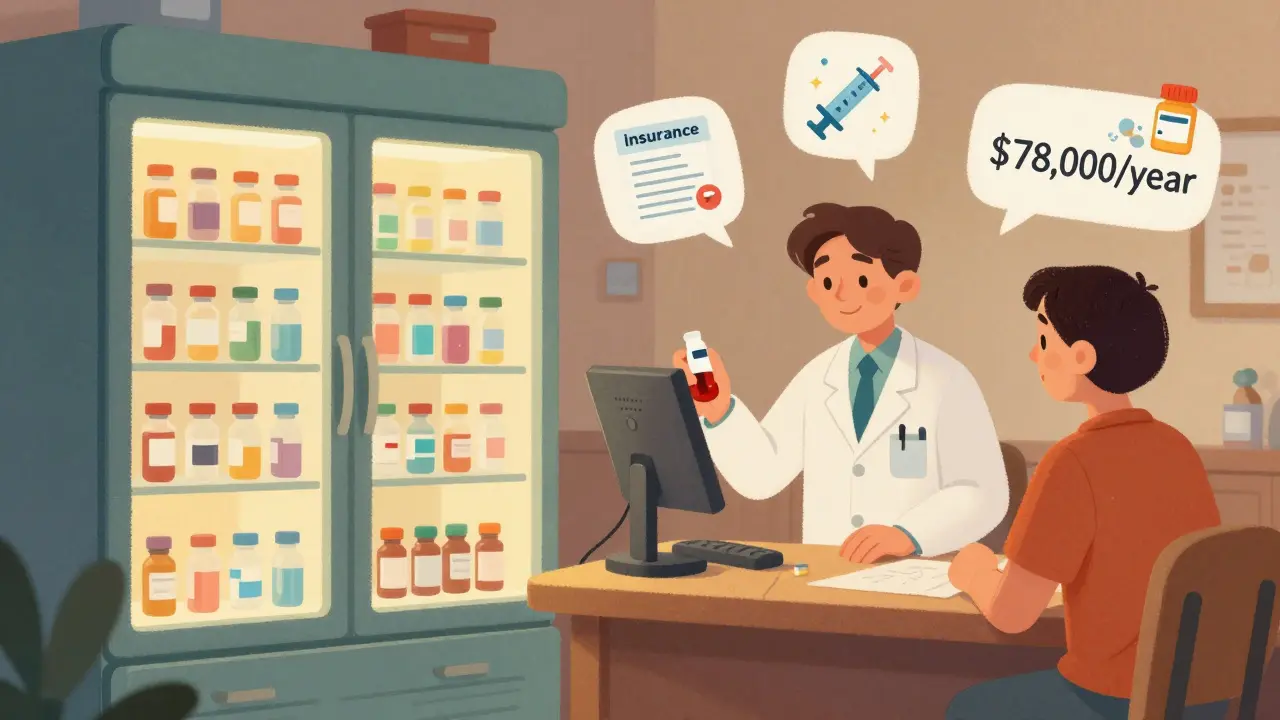
Specialty pharmacies handle high-cost, complex drugs for chronic conditions. As generics and biosimilars enter this space, they bring major cost savings-but also new risks and operational challenges for pharmacists and patients.
More
Medical weight management combines FDA-approved medications, nutrition counseling, and behavioral support to treat obesity as a chronic disease. Learn how clinics, drugs like semaglutide and tirzepatide, and regular monitoring help people lose weight and improve health long-term.
More
Drug shortages are preventable. This article explains how building resilience into pharmaceutical supply chains-through diversified sourcing, AI forecasting, buffer stocks, and cybersecurity-can stop life-threatening gaps in medicine access.
More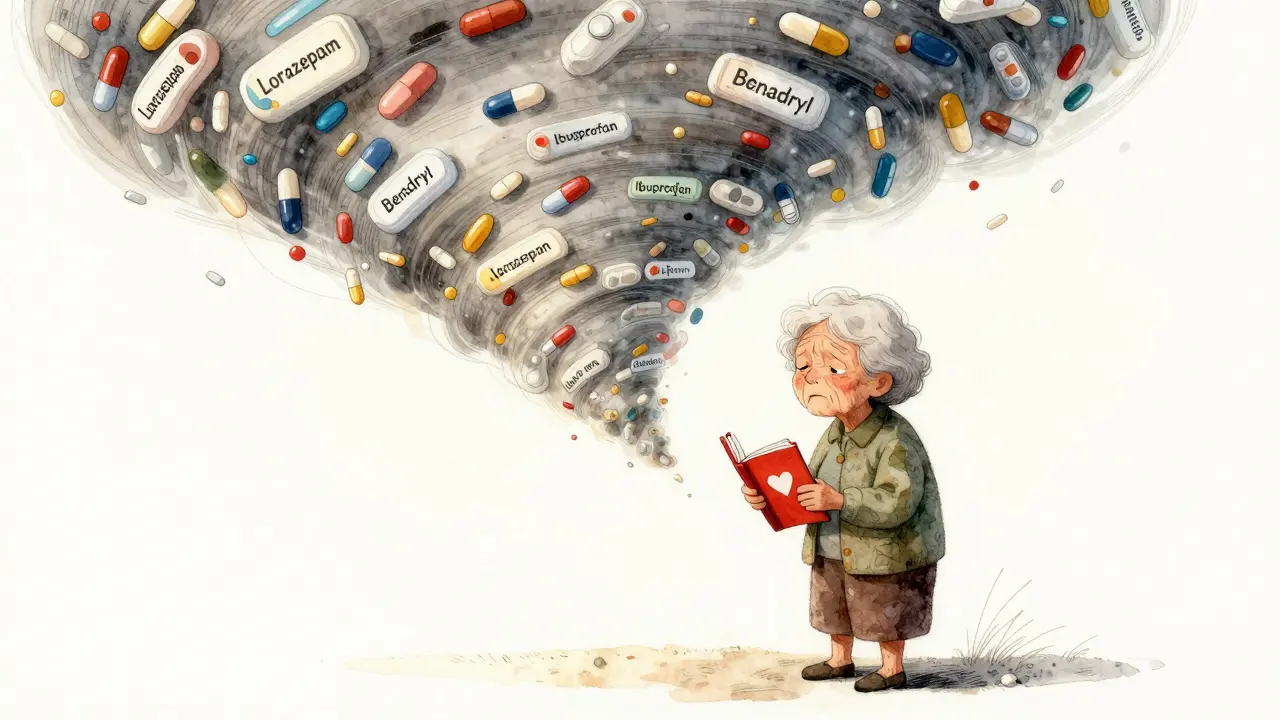
Taking five or more medications increases the risk of falls, hospitalizations, and death. Learn how polypharmacy causes dangerous side effects and what you can do to reduce unnecessary drugs safely.
More
Severe hyponatremia from medications can cause confusion, seizures, and death if missed. Learn which drugs cause it, how to spot early signs, and why routine sodium checks save lives.
More