
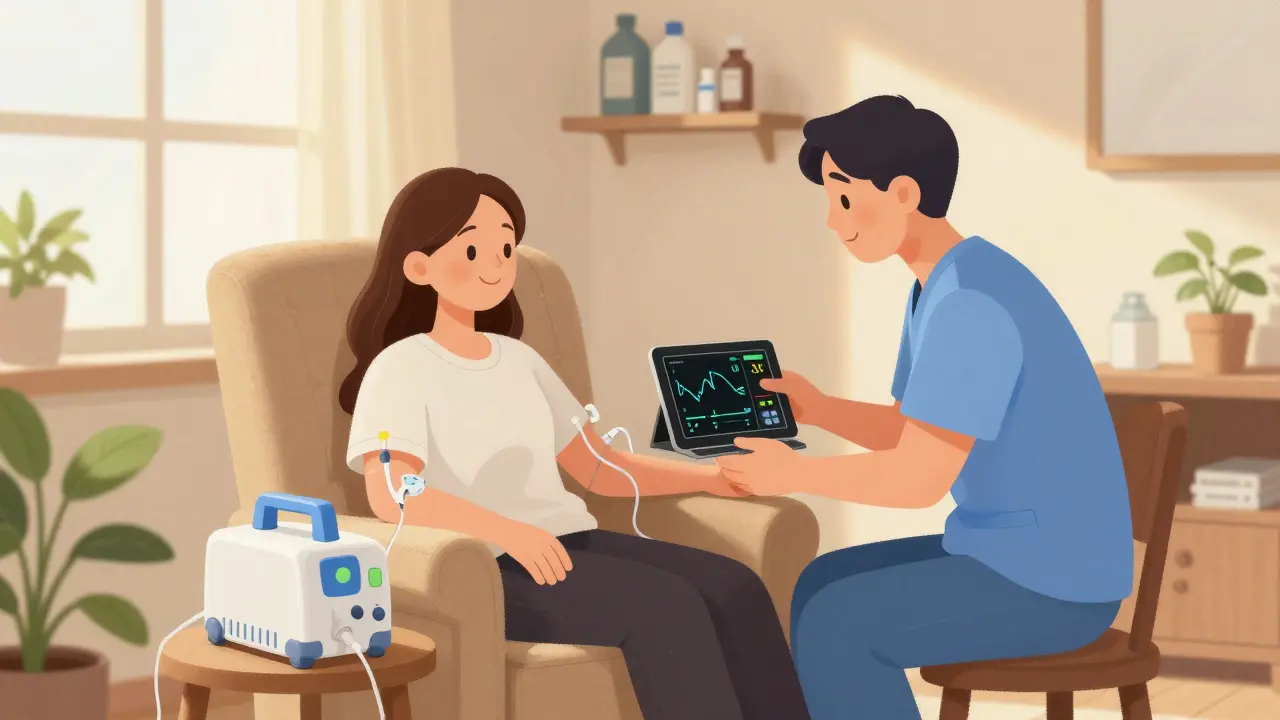
Home hemodialysis offers greater flexibility and better health outcomes than in-center dialysis, but requires training, a care partner, and home setup. Learn schedules, requirements, and real-world outcomes.
More
Learn how to build a foolproof home medication system to prevent dangerous errors. From simple lists to smart dispensers, this guide shows you exactly what works - backed by data and real-world use.
More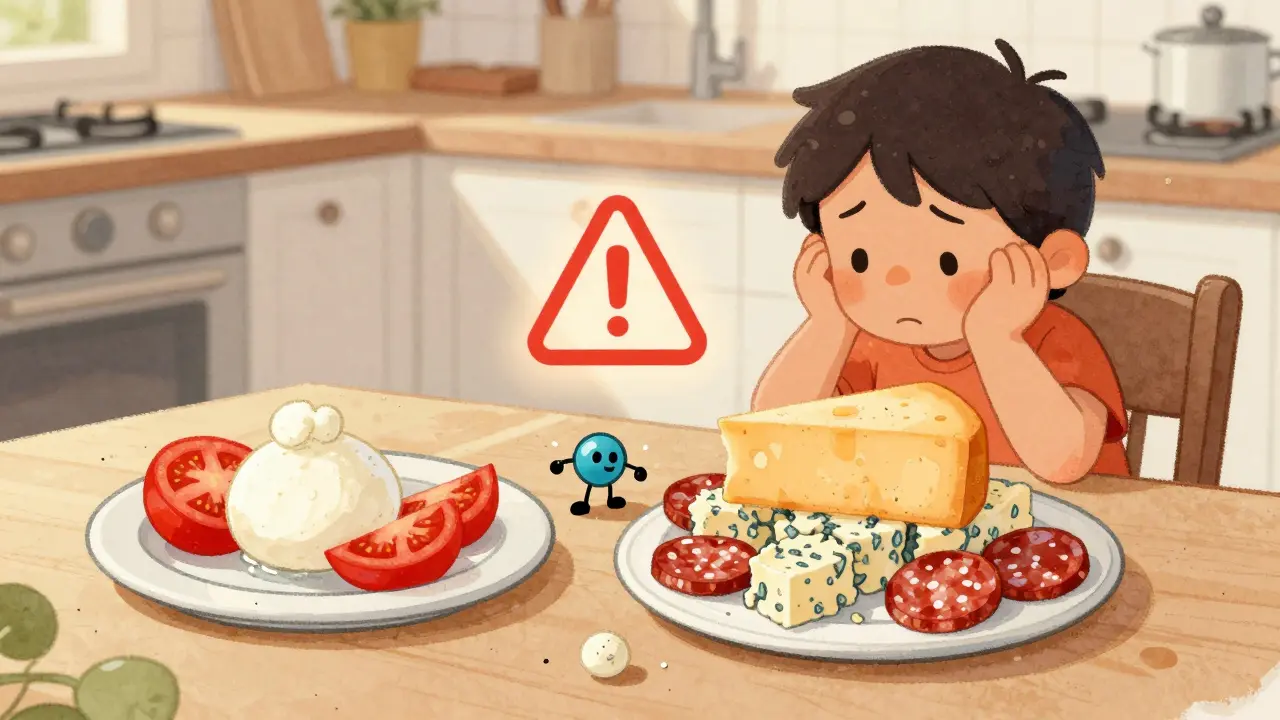
Aged cheeses and processed meats contain tyramine, which can trigger life-threatening blood pressure spikes in people taking MAOI antidepressants. Learn which foods to avoid, safe alternatives, and what to do if you accidentally eat something risky.
More
Statins are safe and beneficial for people with nonalcoholic fatty liver disease (NAFLD). They lower heart disease risk, improve liver enzymes, and don't cause liver damage. Learn the latest guidelines and monitoring tips.
More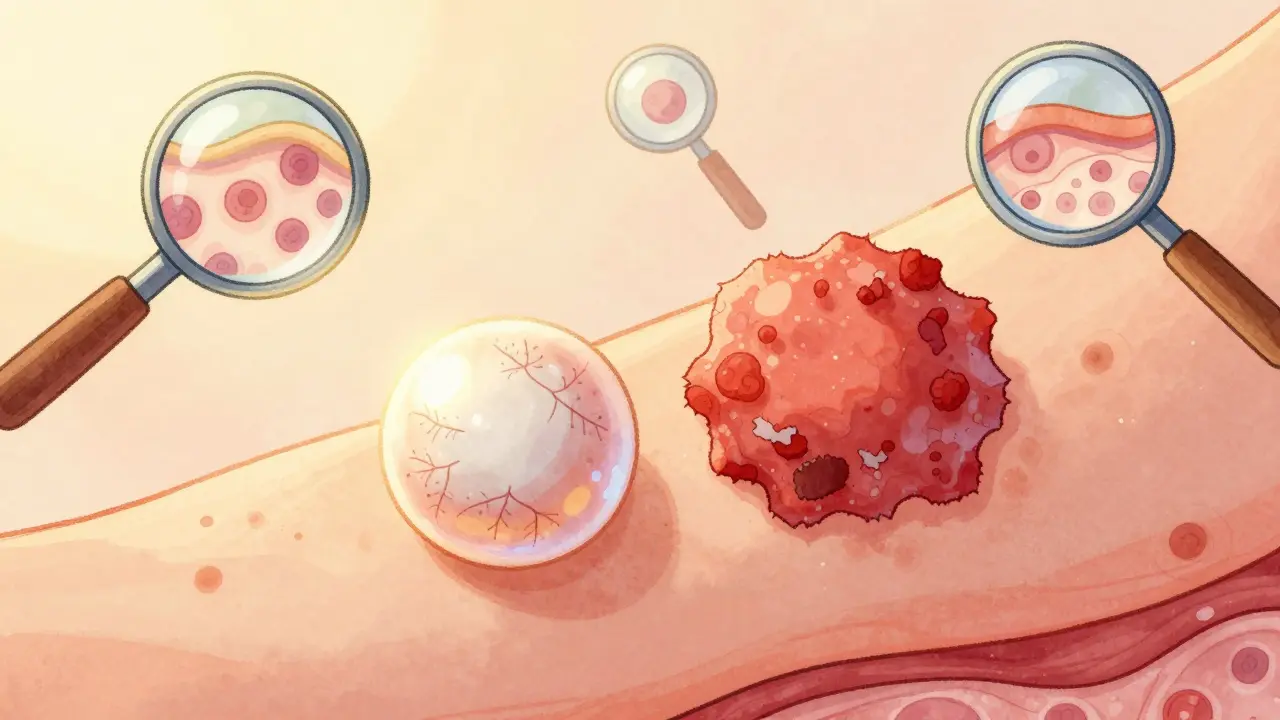
Basal and squamous cell carcinomas are the most common skin cancers. Learn how they differ in appearance, growth, risk, and treatment-and why SCC needs faster attention.
More
Learn the real symptoms, causes, and proven ways to manage or even reverse type 2 diabetes. No fluff - just clear, science-backed steps to take control of your health.
More
Learn how statins affect muscle pain during exercise and what you can do to stay active safely. Discover which workouts are safe, which statins are less likely to cause issues, and how to adjust your routine for better recovery.
More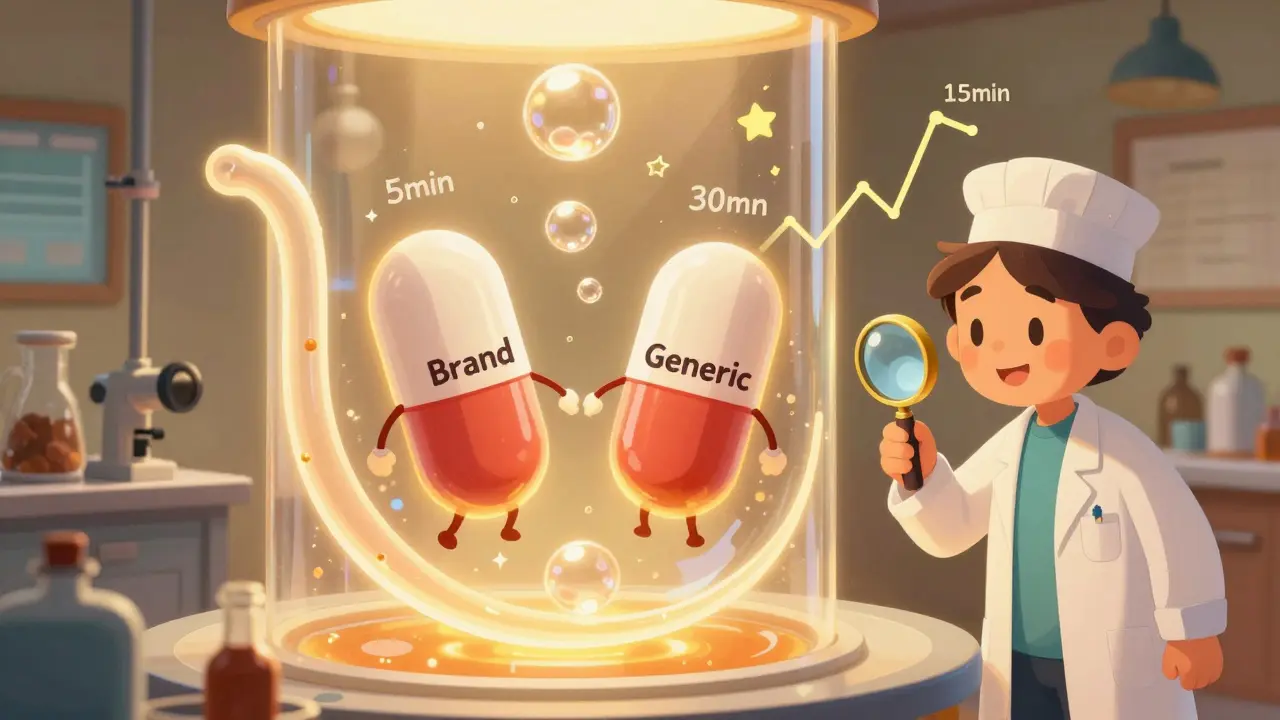
Dissolution profiles are key to proving generic drugs work like brand-name versions. Learn how f2 similarity factors, regulatory standards, and lab methods ensure generics are safe and effective.
More
Stevens-Johnson Syndrome and Toxic Epidermal Necrolysis are rare but deadly drug reactions that cause skin to peel and mucous membranes to blister. Know the warning signs, high-risk medications, and why immediate emergency care saves lives.
More
Multiple System Atrophy (MSA-P) is a rare, fast-progressing neurological disorder with parkinsonian symptoms and severe autonomic failure. Unlike Parkinson’s, it responds poorly to medication and typically leads to death within 6-10 years. Early diagnosis is critical for managing symptoms and quality of life.
More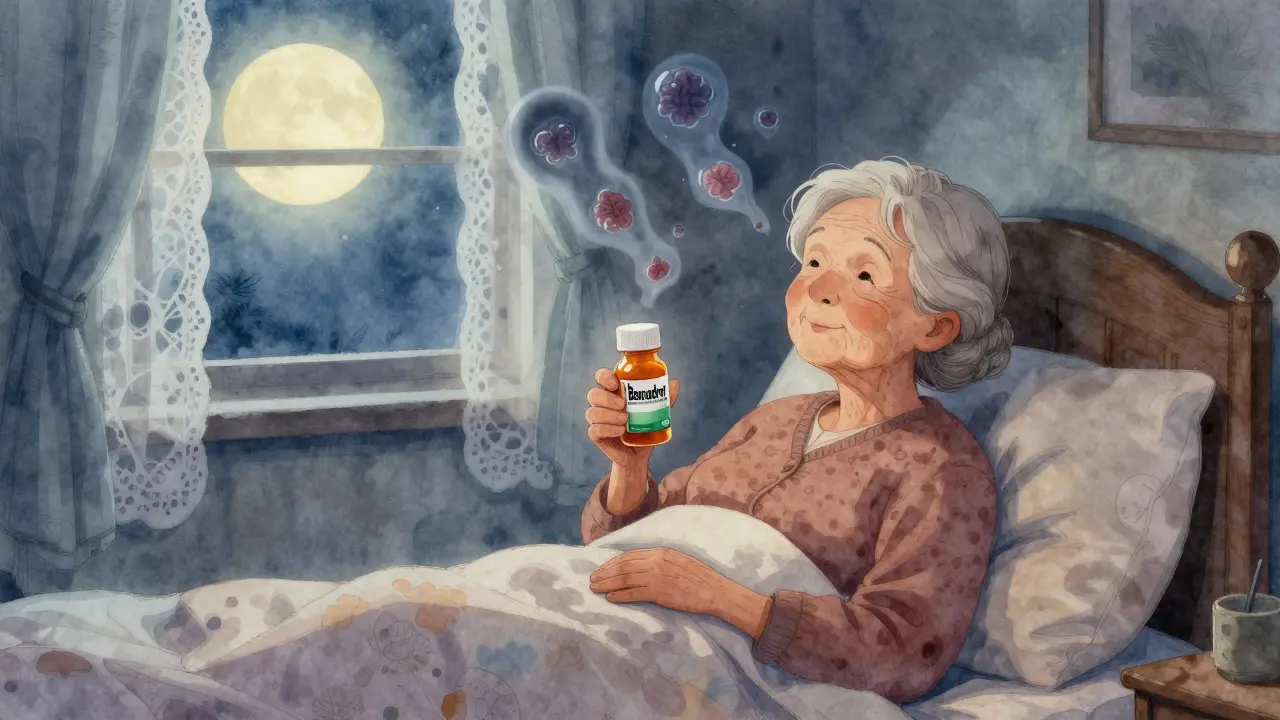
First-generation antihistamines like Benadryl may increase dementia risk in older adults due to anticholinergic effects. Learn which drugs are risky, what the science says, and safer alternatives for sleep and allergies.
More
A perforated eardrum can heal on its own, but only if you protect it properly. Learn the healing timeline, what to avoid, and when to see a doctor to prevent lasting damage.
More