
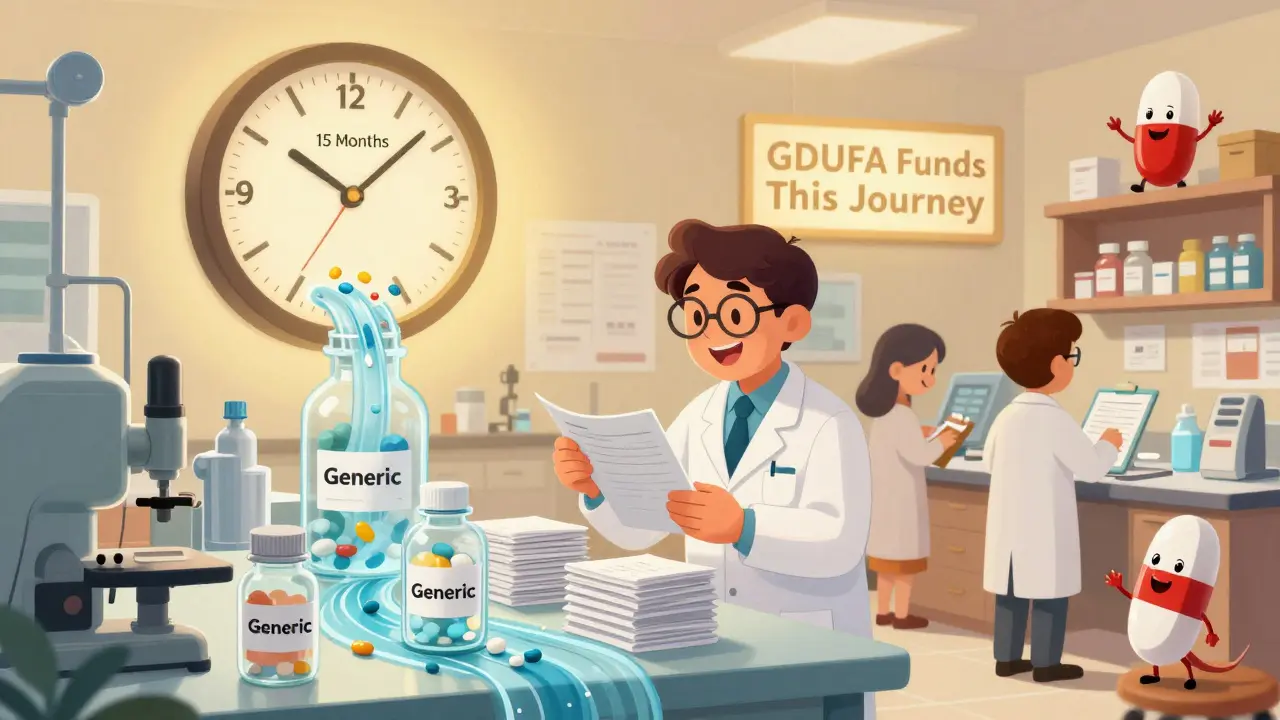
Generic drug user fees fund the FDA’s review of generic medications, cutting approval times from years to months. Learn how GDUFA keeps affordable drugs flowing to patients.
More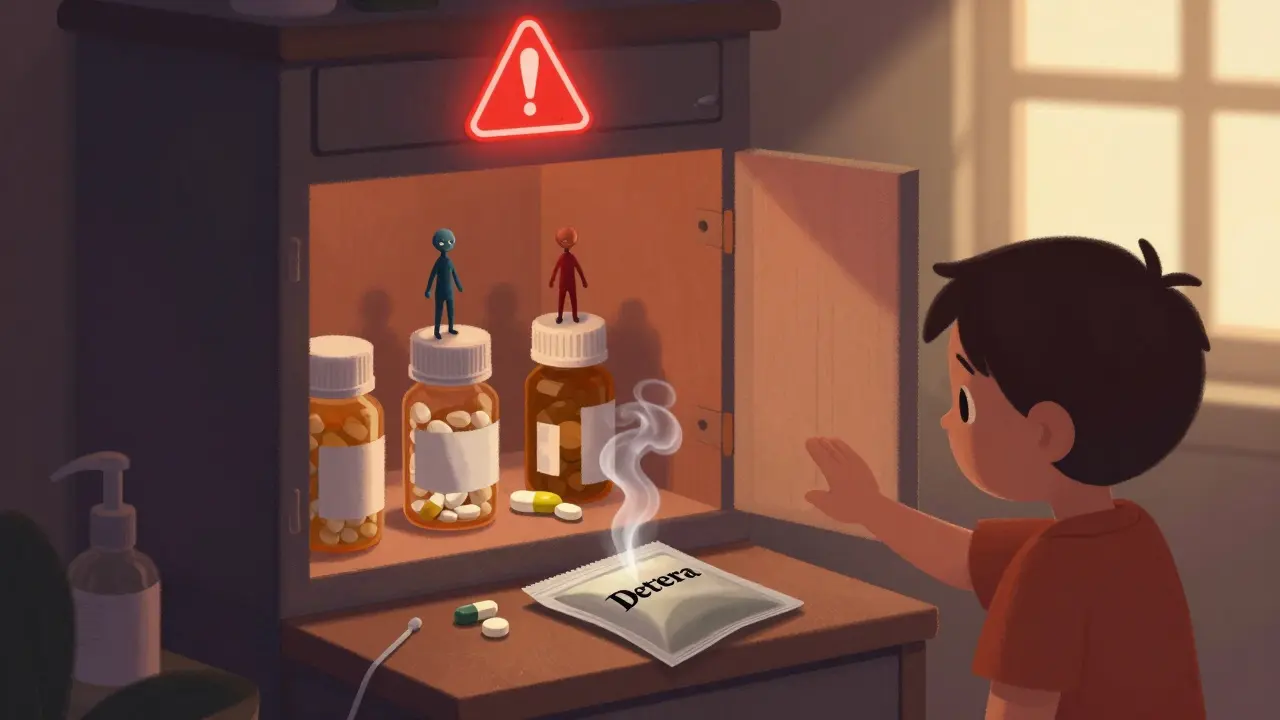
Learn the four safe ways to dispose of unused opioids to prevent misuse and overdose. From take-back programs to deactivation pouches, know exactly what to do with leftover painkillers.
More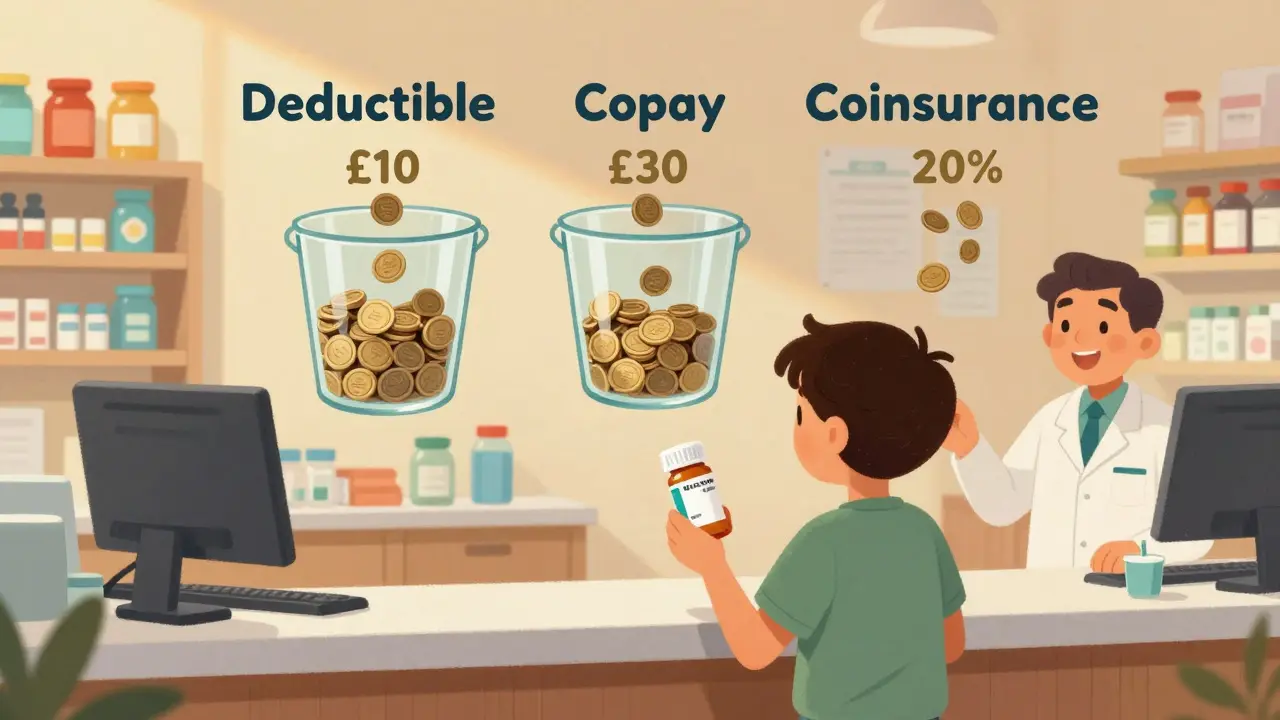
Deductibles, copays, and coinsurance determine how much you pay for medications each year. Understanding these three elements helps you avoid surprise bills and choose the right health plan for your needs.
More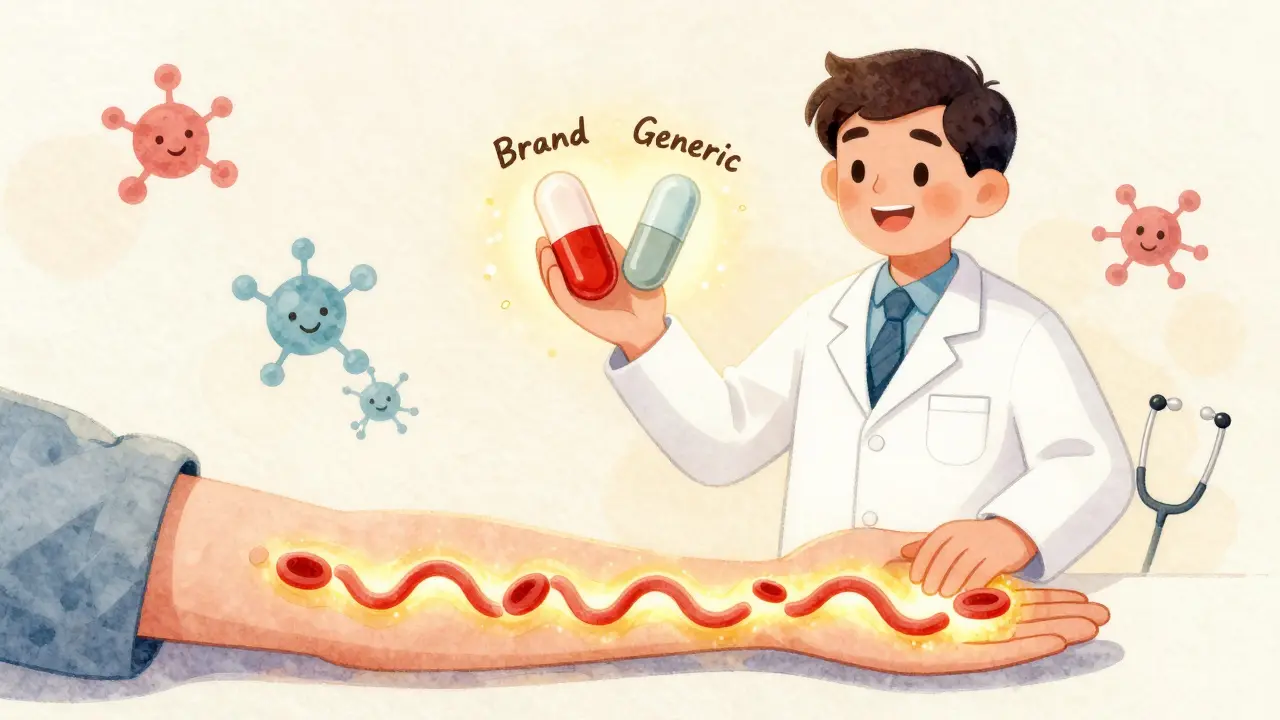
Bioequivalence testing ensures generic drugs perform just like brand-name ones, protecting patient safety while cutting healthcare costs. Learn why this science matters for your health.
More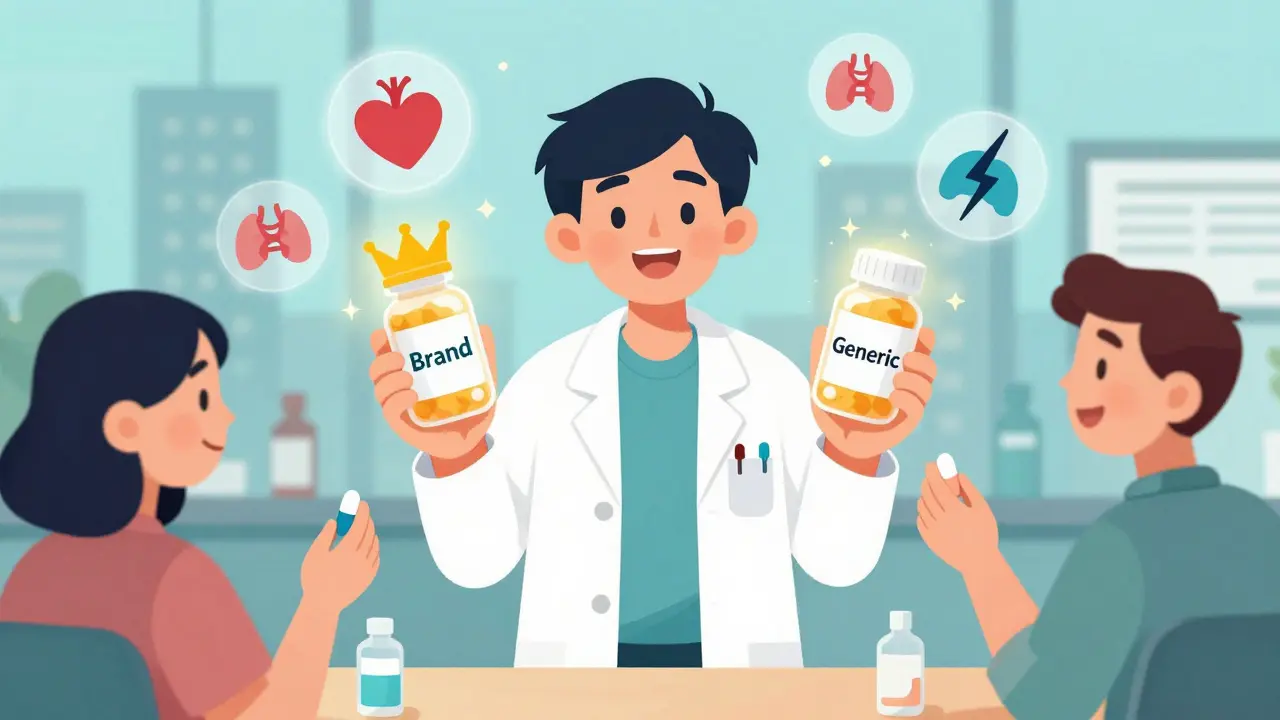
Clinical evidence shows generic drugs are just as safe and effective as brand-name drugs for most people. Learn when generics work the same, when to be cautious, and what the data really says.
More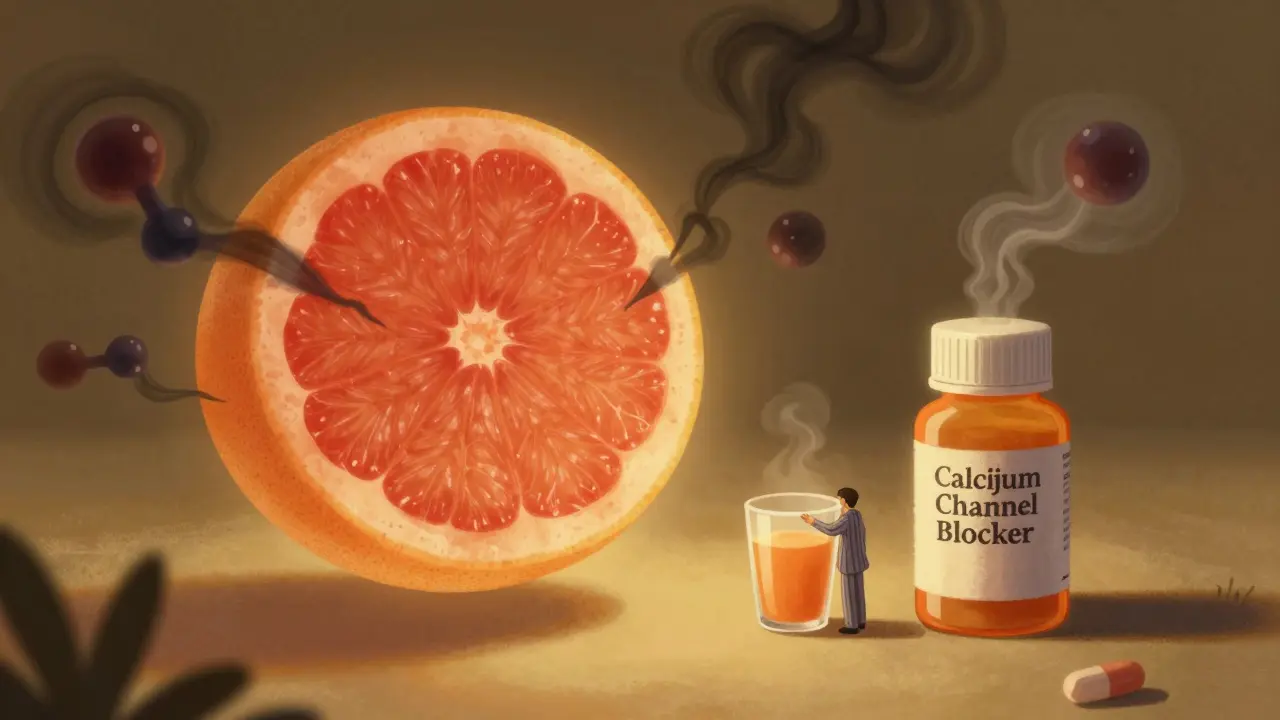
Grapefruit can dangerously increase levels of certain blood pressure medications like felodipine and amlodipine, raising the risk of fainting, swelling, and heart issues. Learn which citrus to avoid and safer alternatives.
More
When switching patients to generic Narrow Therapeutic Index (NTI) drugs, clear communication prevents dangerous outcomes. Learn exactly what to discuss, including monitoring needs, state laws, and addressing patient concerns. Proper counseling ensures safety and adherence.
More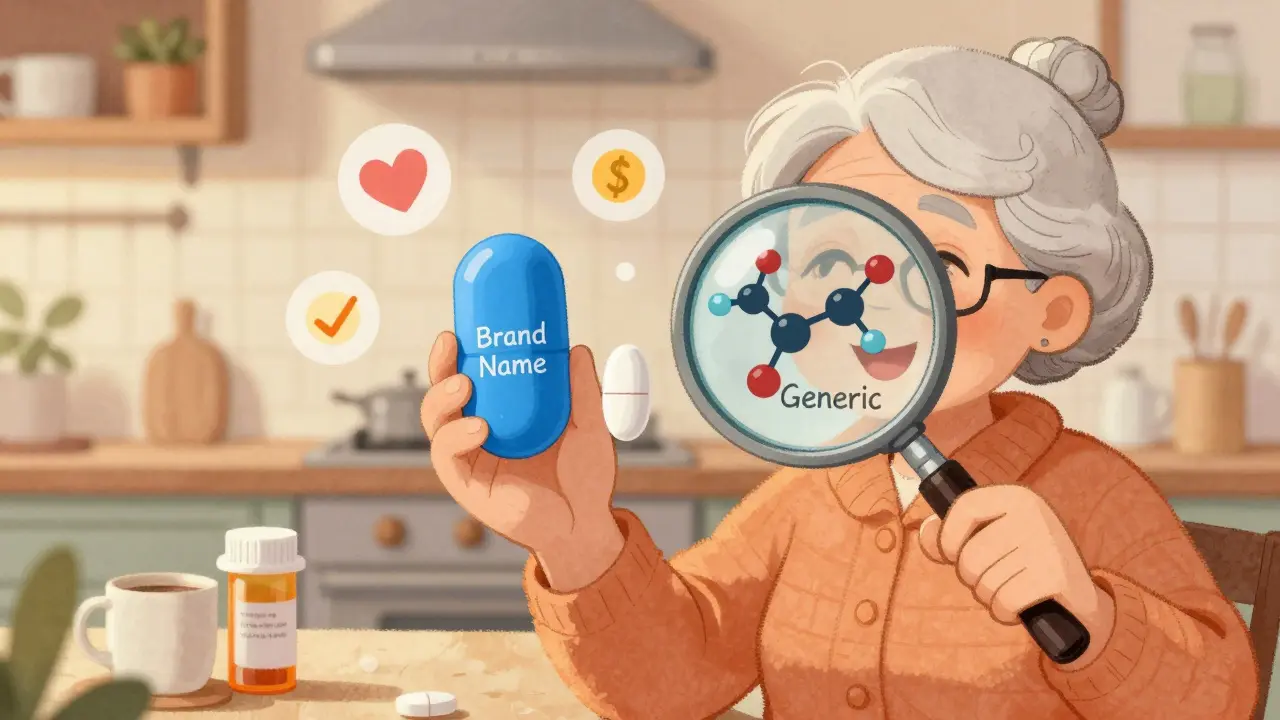
Switching from brand-name to generic drugs saves most patients hundreds per year with no loss in effectiveness. Learn what to expect, when to be cautious, and how to monitor your health after the switch.
More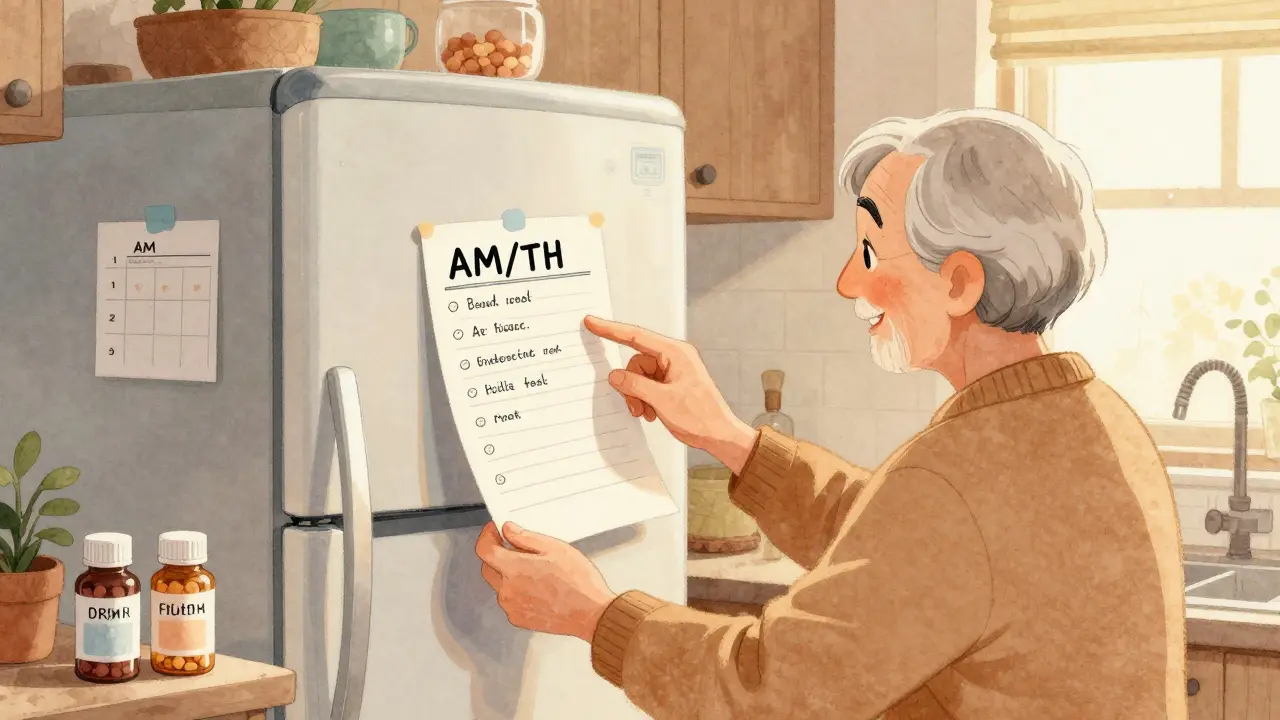
Learn how to build a foolproof home medication system to prevent dangerous errors. From simple lists to smart dispensers, this guide shows you exactly what works - backed by data and real-world use.
More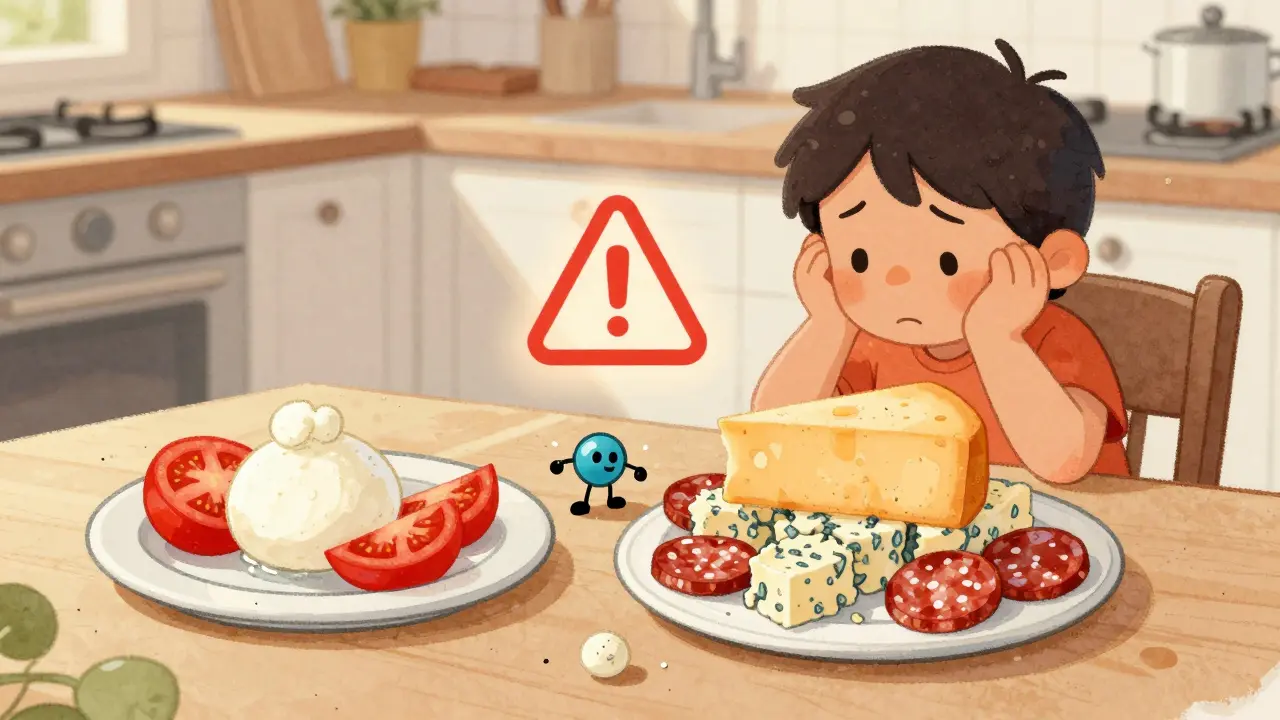
Aged cheeses and processed meats contain tyramine, which can trigger life-threatening blood pressure spikes in people taking MAOI antidepressants. Learn which foods to avoid, safe alternatives, and what to do if you accidentally eat something risky.
More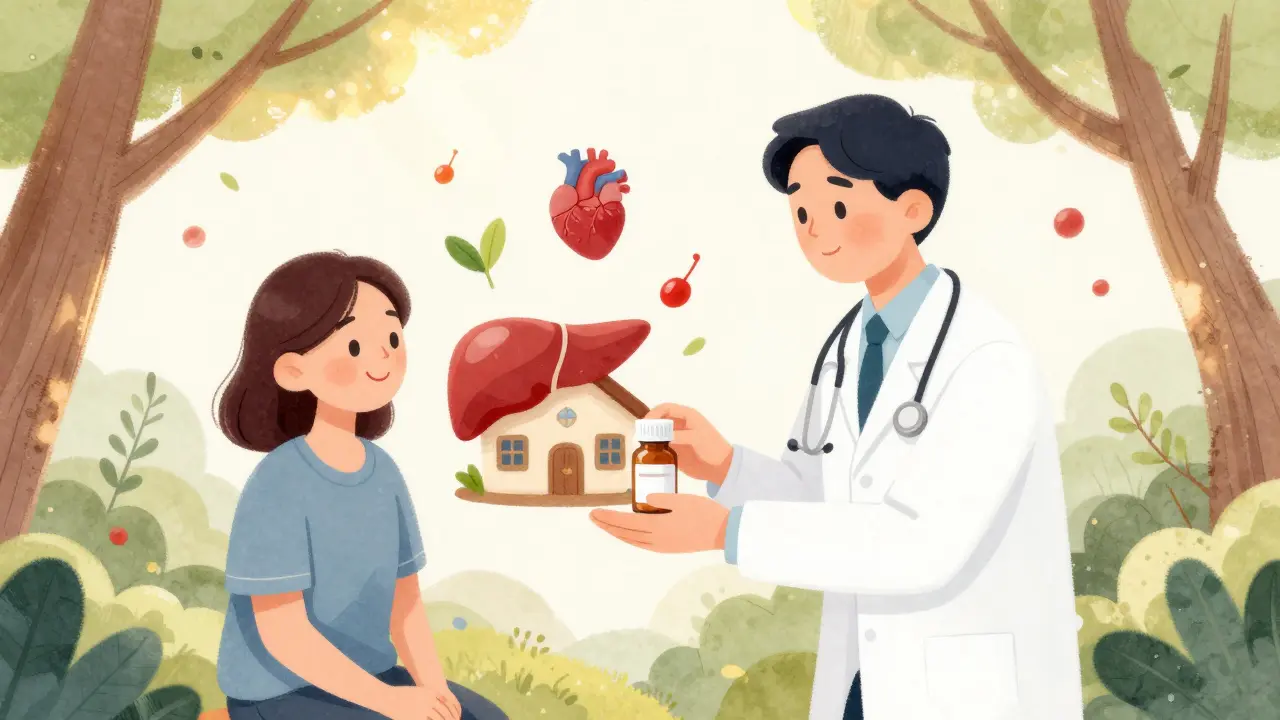
Statins are safe and beneficial for people with nonalcoholic fatty liver disease (NAFLD). They lower heart disease risk, improve liver enzymes, and don't cause liver damage. Learn the latest guidelines and monitoring tips.
More
Learn how statins affect muscle pain during exercise and what you can do to stay active safely. Discover which workouts are safe, which statins are less likely to cause issues, and how to adjust your routine for better recovery.
More