
Looking for straightforward info on medications? You’re in the right place. Whether you want to know about common drugs, explore alternative options, or understand how to talk with your doctor about your medication, we break it down in everyday language.
Let’s say you’re treating eczema but want to skip steroids like Triamcinolone. You’ll find six easy alternatives explained — what they do, the upsides, and the downsides. This kind of info helps you pick what feels right and works best for your skin.
Sometimes the first drug prescribed isn’t the best fit. Maybe your body reacts badly, or you want fewer side effects. Articles on alternatives — like for Inderal, used in migraines — guide you through options with pros and cons. This helps you talk smartly with your doctor about switching or adjusting your treatment.
Antibiotics are another big topic, especially for kids. Sulfamethoxazole, commonly used in pediatric care, is explained with clear details about how it fights infections and what parents should watch for. Understanding this makes those scary medicine moments easier to handle.
Ever felt unsure how to bring up your medication concerns? Like with tolterodine, which treats bladder issues, it helps to know what questions to ask and what info to share. We provide tips so your conversations are productive and you leave feeling confident about your health plan.
Even ingredients in skincare, such as calcium carbonate, get a spotlight. You’ll discover if it’s a friend for your skin or something to be cautious about — no confusing jargon, just what to expect.
By breaking down meds from different angles — alternative choices, safety tips, and doctor discussions — you get useful info to take control of your treatment and health. No fluff, just helpful facts you can actually use.
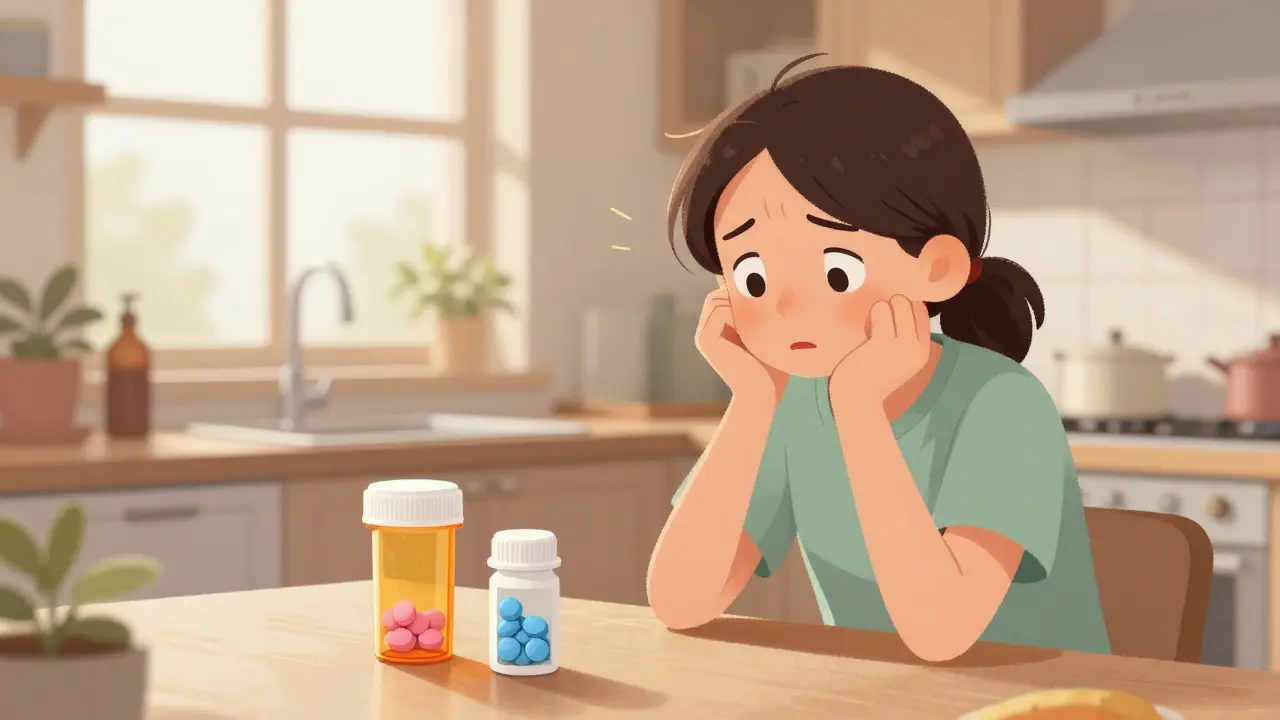
Learn about the unique risks and considerations when switching children from brand-name to generic medications, including bioequivalence and NTI drugs.
More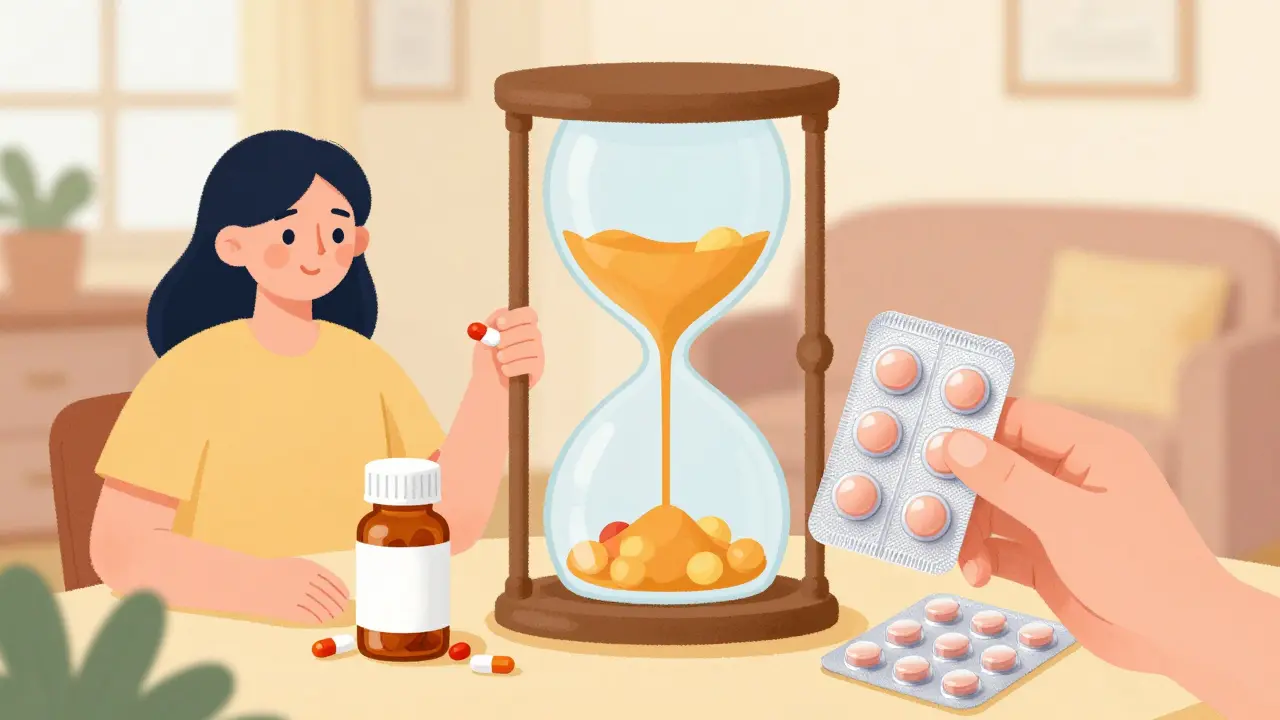
Learn how to time antacids and antibiotics to prevent dangerous interactions that can reduce drug absorption by up to 80% and lead to treatment failure.
More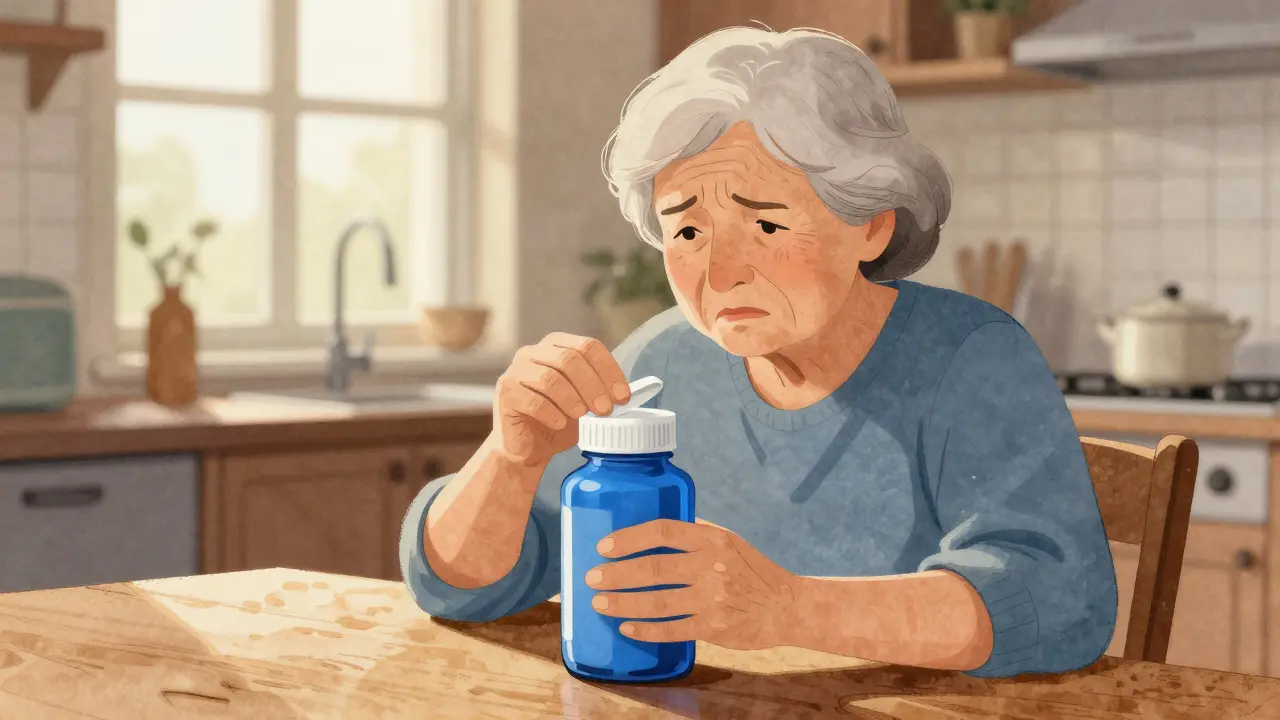
Learn how to request easy-open caps and accessible labels for safer medication management. This guide covers specific cap types, your legal rights, and steps to ensure pharmacies accommodate seniors.
More
Learn when to give fever reducers like acetaminophen or ibuprofen after childhood vaccines. Waiting 4 hours helps ensure the vaccine works while keeping your child comfortable.
More
Parkinson’s disease causes tremor, stiffness, and slow movement due to dopamine loss in the brain. Levodopa replaces dopamine and improves symptoms, but long-term use brings side effects like dyskinesia. New treatments aim to deliver dopamine more steadily and personalize therapy.
More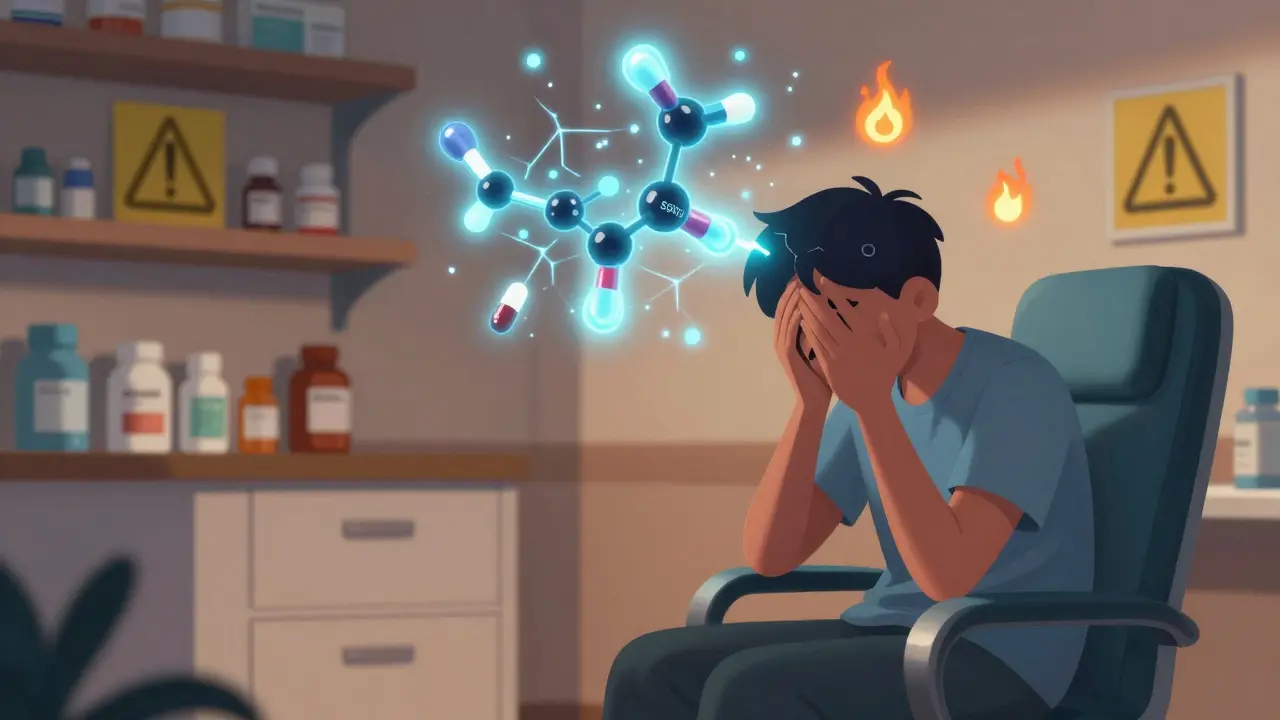
Psychiatric medications can interact dangerously, especially when combining SSRIs with MAO inhibitors or lithium with NSAIDs. Serotonin syndrome, heart risks, and liver enzyme changes require careful monitoring. Learn the most dangerous combos and how to stay safe.
More
Learn how to confirm pharmacist counseling notes after picking up your prescription. Get step-by-step tips to access written or digital records, avoid medication errors, and ensure you understand how to take your drugs safely.
More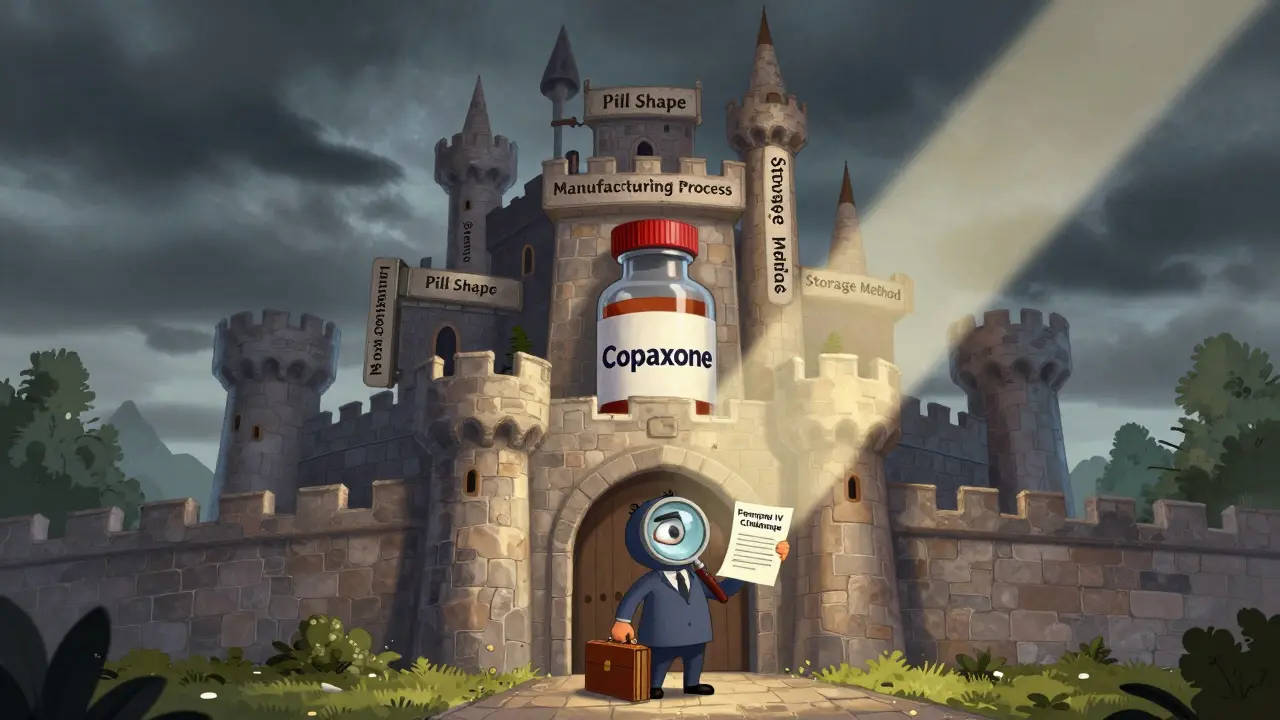
Paragraph IV patent challenges let generic drug makers legally fight brand patents to bring cheaper drugs to market. Under the Hatch-Waxman Act, the first challenger gets 180 days of exclusivity-making it a high-stakes game of law, money, and patient access.
More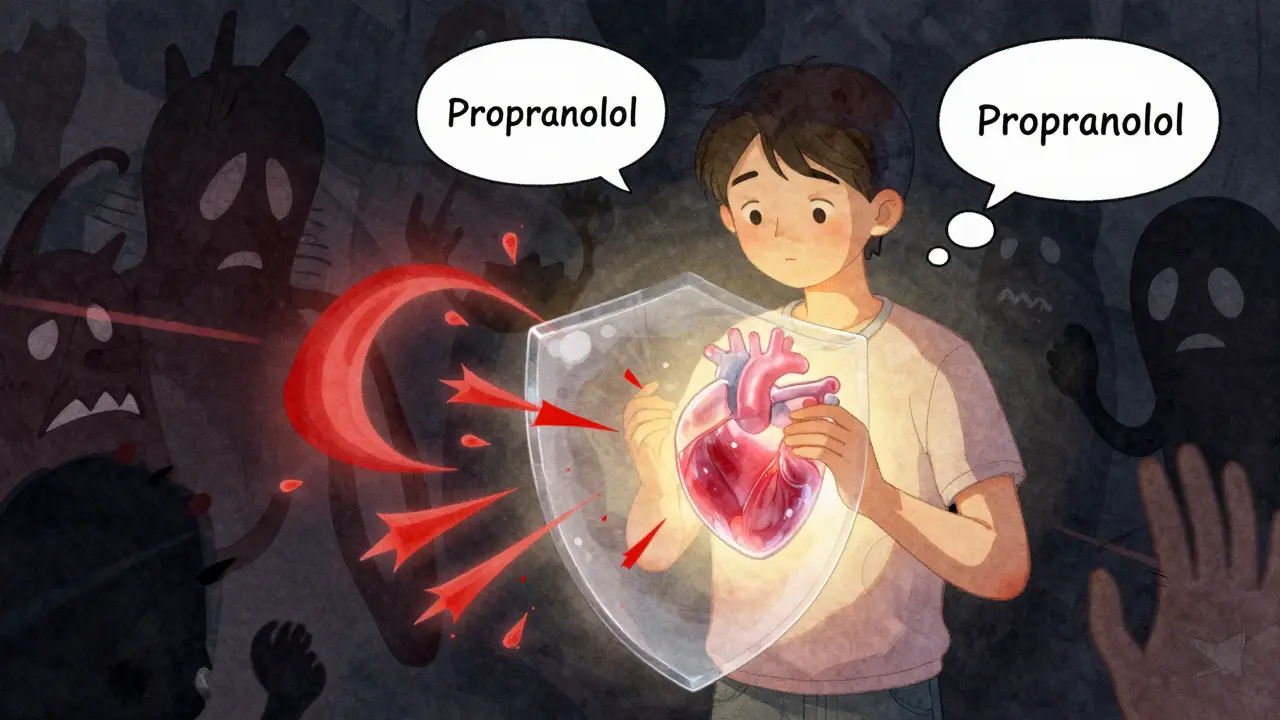
Beta-blockers like propranolol can reduce physical symptoms of social anxiety during events like public speaking, but they don't fix the fear. When paired with behavioral therapy, they help people show up - and eventually, no longer need them.
More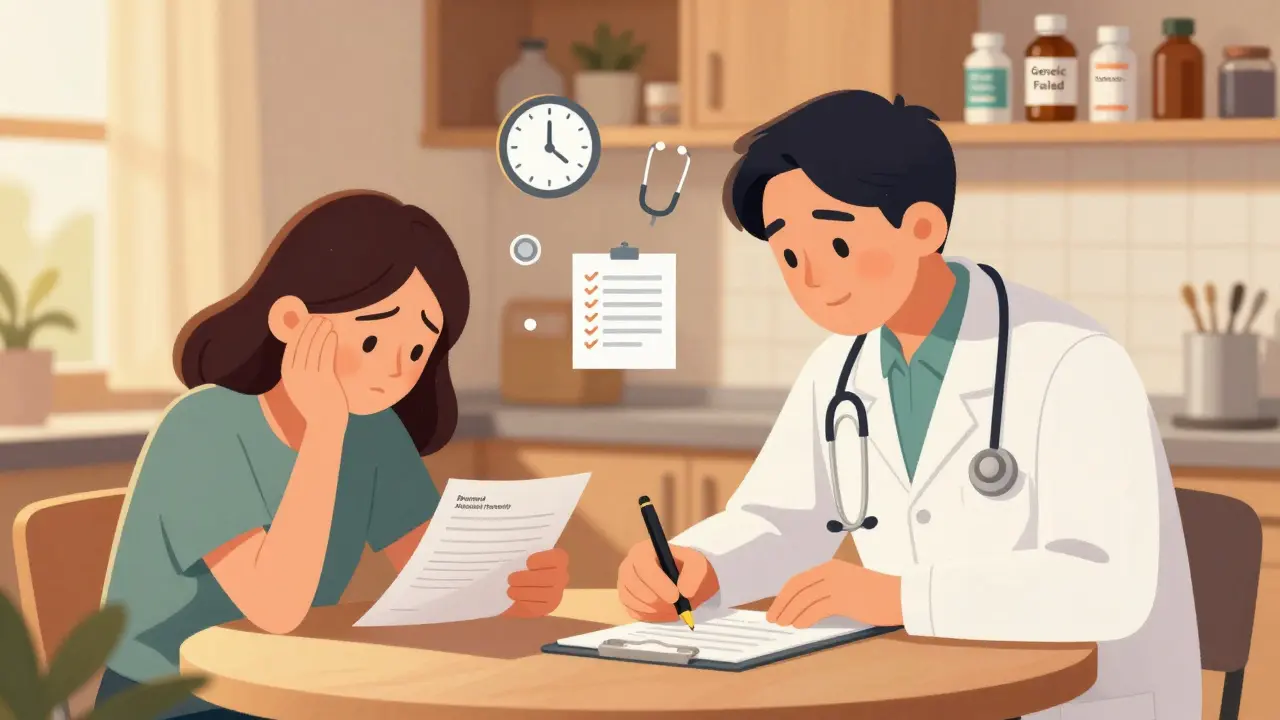
Learn how to successfully appeal insurance denials for generic medications with step-by-step guidance, doctor tips, and real success rates. Know your rights and get the drugs you need.
More
Graves’ disease is an autoimmune disorder causing hyperthyroidism, treated with medications like PTU. Learn how PTU works, its risks, and how it compares to other treatments-including radioactive iodine and surgery.
More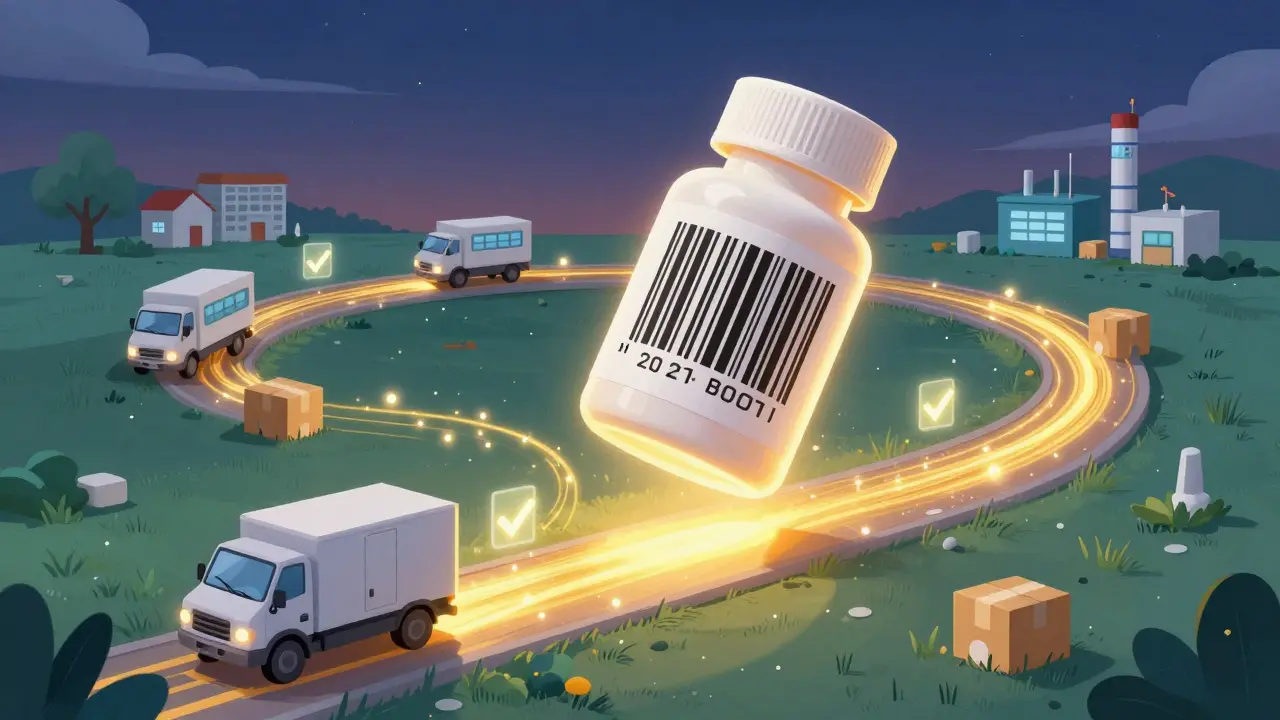
The DSCSA is a powerful U.S. system that uses serialization, traceability, and electronic data to protect prescription drugs from counterfeits. It’s reduced fake drug incidents by 63% since 2015 and now secures over 5.8 billion packages annually.
More